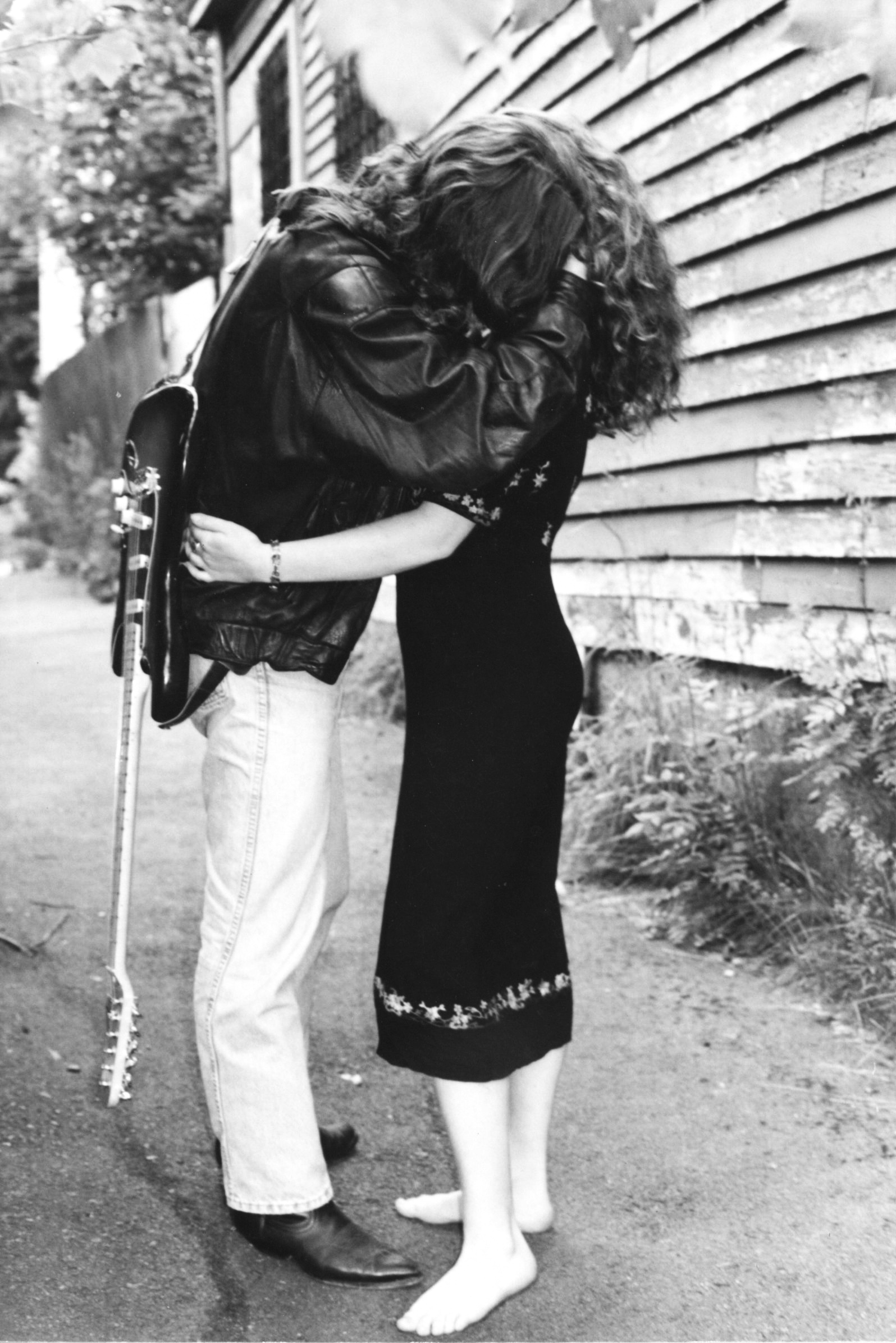
The Legacy of 11:11
by Tallulah AF
11:11: Newfoundland Women Sing is a 1997 Canadian compilation album featuring eleven female vocalists from Newfoundland and Labrador performing eleven original songs by the songwriting team of Ron and Connie Hynes. This project was designed by Connie and Ron to highlight women’s voices from Newfoundland’s contemporary songwriting scene while featuring the duo’s co-written songs.
PART ONE
CONNIE AND RON
St. John’s was at the height of a cultural bloom in the 1990s. Artists had been organizing since the 1970s, and artist-founded groups like Newfoundland Independent Filmmakers Cooperative (NIFCO), Resource Centre for the Arts (RCA), and Neighbourhood Dance Works (NDW) were coming of age. The community was still small, and so much cross-pollination was happening between disciplines—film, dance, theatre, visual arts—that it made for a unique moment in time. This cross-over was also happening in the music scene, as different genres and generations co-mingled. For a while, everything seemed new and the artists coming up at that time reaped the benefits of the day.
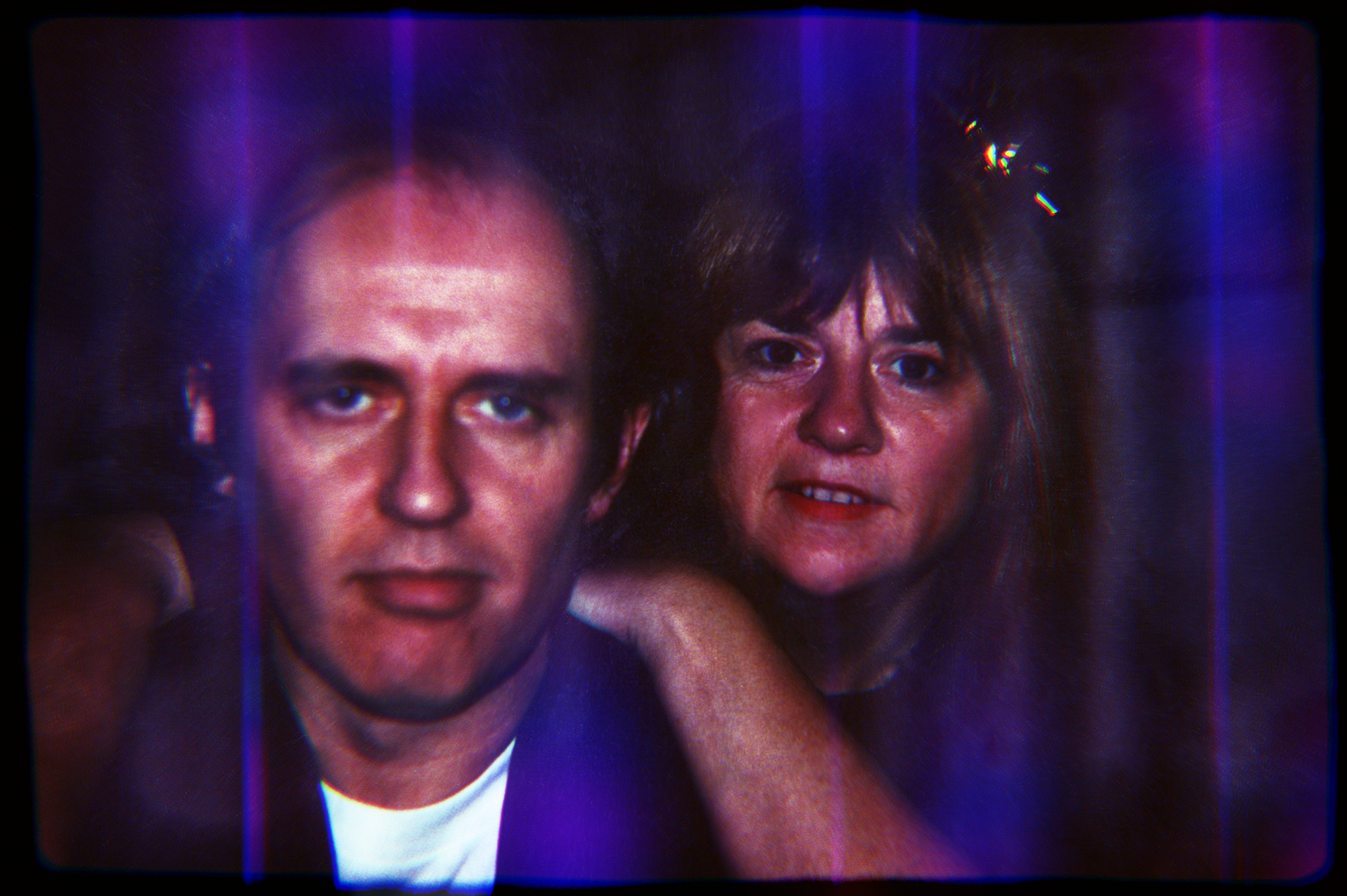
Connie and Ron. Photo by Lily Hynes.
Connie and Ron were like the den parents to a whole community of artists—actors and filmmakers and writers, but most especially musicians. It didn’t matter if you were a country artist, a rock singer, a fiddle player, or a musical theatre geek, their living room was a safe haven where we congregated to access Ron and his songwriting mastery, and to bask in the glow of Connie’s generosity and wit.
I first met Connie Corkum and Ron Hynes in 1984 when I was nineteen. I’d just so happened to move in next door, and came upon them one evening out on the back step. I acted all cool as we chatted over the backyard fence, but I was secretly fan-girling. The Wonderful Grand Band (WGB) album Living in a Fog was top of the pops in town, and the WGB television episode Ron Gets Busted—where Ron gets arrested by an undercover Regina cop for procuring a joint of weed—was legend in my high school.
We became friends, and from the mid 80s into the late 90s, I was a fixture in Connie and Ron’s living room. In St. John’s, when people ask you where you live, they aren’t asking what area of town you’re from or what street you live on; they want to know the actual house you live in. Why? Because they might have lived in that house at one time, or are otherwise intimately connected. The downtown was small, and we all moved into and out of the same addresses as we maneuvered through the uncertainty of the artist’s life. So, Connie and Ron’s living room was sometimes on Gower Street, and sometimes on Pennywell Road, or Queen’s Road, or back on Gower Street again.
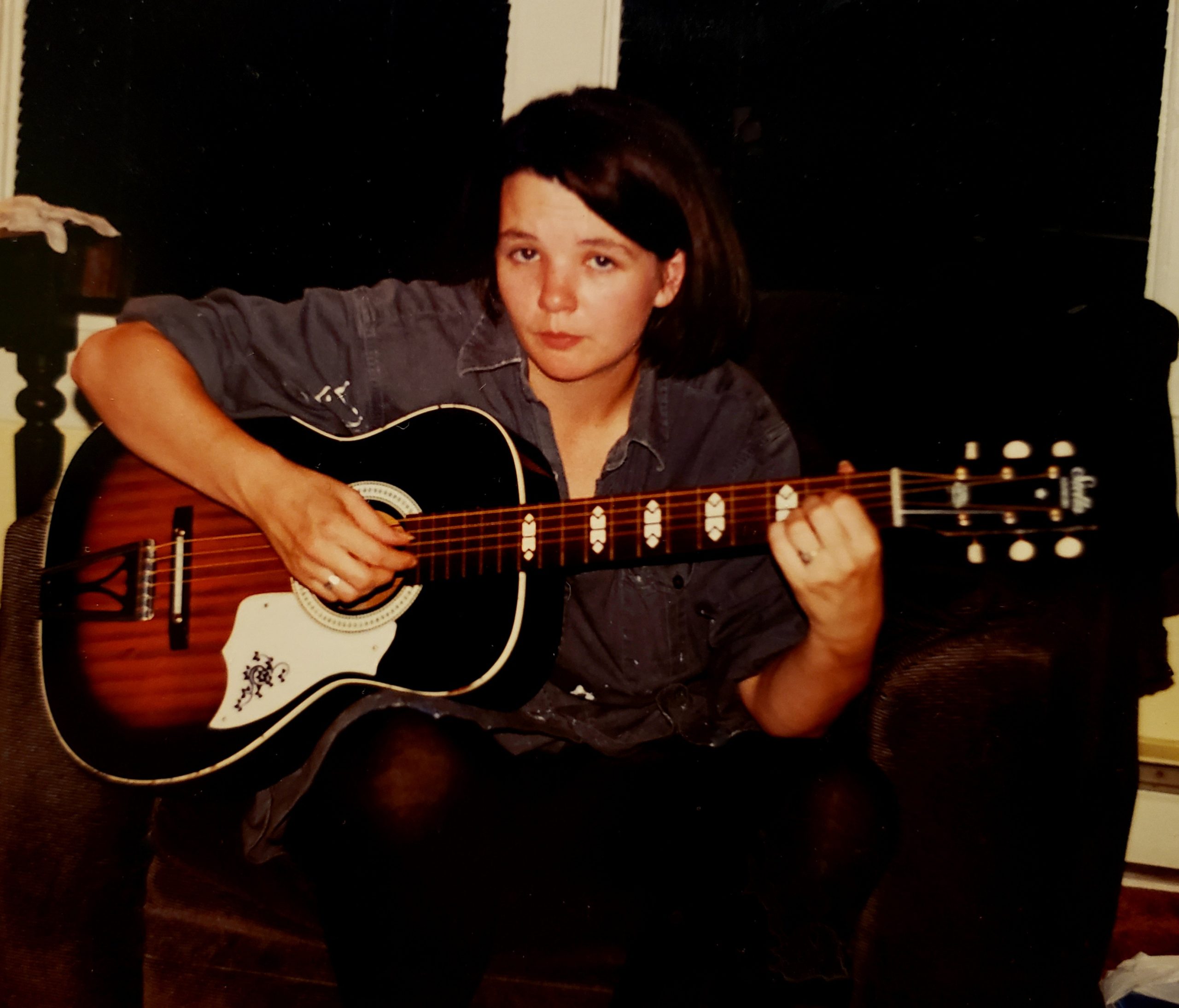
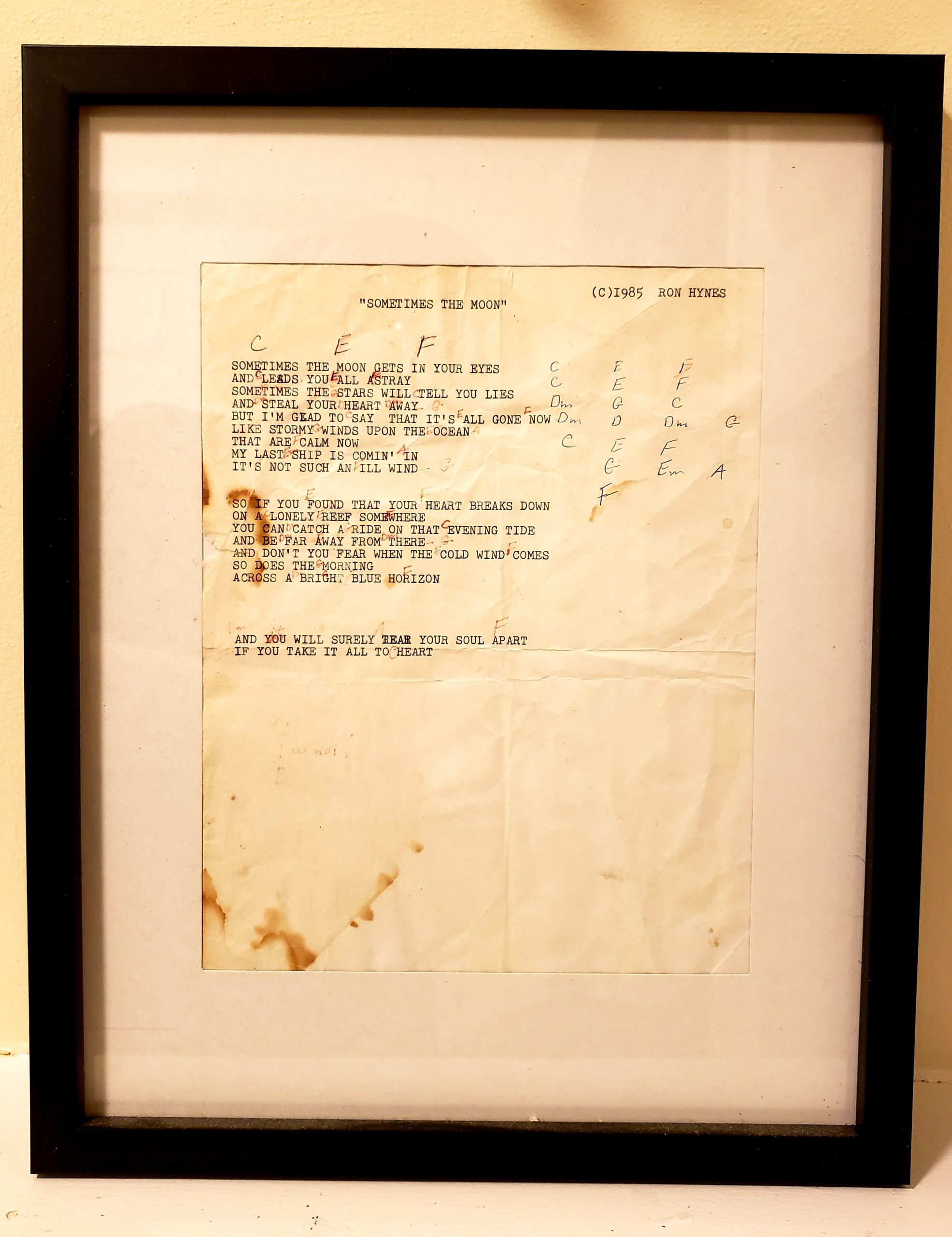
There was a long string of years when you’d find me holed up in their big arm chair, playing one of Ron’s many guitars, and running through my song ideas. I was a neophyte songwriter and a baby guitar player, and Ron was uncommonly generous with both his knowledge and with his music. He helped me refine my skills at turning a line, nudged me toward better rhymes, showed me how to use a capo, and even gave me the strap guards that are still on my guitar today. If I showed interest in one of his songs, he’d type it out, and pencil in the chords so that I could cover it. If I didn’t know all of the chords, he’d teach them to me.
One summer, Connie encouraged me to sing a few of my songs into Ron’s tape recorder, and send the tape in to the East Coast Music Awards (ECMA) as a showcase application. I sat on their couch and sang “One Song“, “Emily“, and “Johnny” in one take. I sent it in and this led to my first ECMA showcase, in Halifax, NS that year. That showcase was the impetus for the formation of the Lizband.
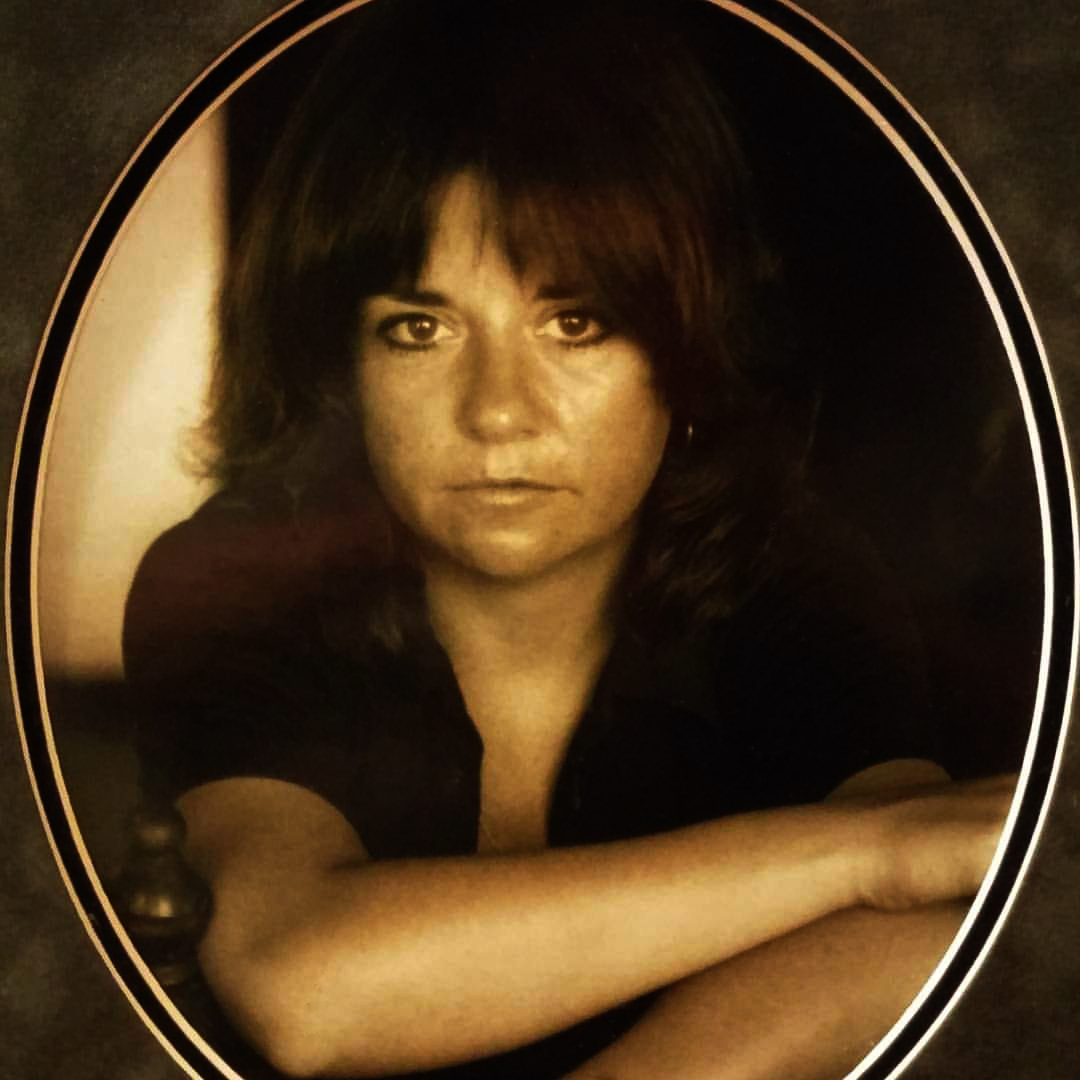
Connie wasn’t just a songwriter—she wrote plays for theatre and radio, was a visual artist and talented photographer. Her art work and photographs graced album covers, posters, and publicity materials, including the cover of 11:11. She was an inventive cook who fed me and mine and half the town more than once. In a past life, she had been an aesthetician, so she could even cut and style your hair.
Connie was radical and hilarious. In the late 1980s, there was a fad going around called the Mono Diet. It suggested that the best way to diet was to pick one food item and eat only that. As a kind of act of defiance, Connie went on the Mono Diet and ate nothing but bacon for a week. She brought this extraordinary sense of humour to everything.
Ron gets a ticket; on tour with WGB. Photo by Justin Hall.
I remember when the unruly teen that was Joel Thomas Hynes (JTH), pimply and with his hair dyed jet-black, was sent to town to be “put right” by his Uncle Ron. It was Connie who sat young JTH down at the kitchen table and told him the truth: there was nothing wrong with him. He was having a rough time because he was an artist, and he might as well accept it and get to work. Artists just know each other, see, and Connie recognized JTH immediately.
Like his nephew, Ron was at ease on the theatre stage or in front of a camera. His credits are pretty staggering, considering almost every single piece represents a seminal moment in NL’s cultural history. Apart from his work in the pioneering NL television programs The Root Cellar, and The Wonderful Grand Band; for years he was The Mummers Troupe’s official composer; and he created music and lyrics for important political and socially relevant theatre works like East End Story, What’s That Got To Do With the Price of Fish, and High Steel. As well as performing music, he also acted in all of these productions.
He co-wrote and starred in The Bard of Prescott Street, a musical about the early 20th-century songwriter, Johnny Burke. Ron was particularly enamoured with Johnny Burke, especially the notion that Burke sold sheet music of his songs on the street, at a penny a piece, down at the corner of Prescott and Duckworth. Ron was also a connoisseur of film, and was always up on the latest releases. When he had a role in Mike Jones’ film, Secret Nation, he also wrote the chilling theme song, “The Final Breath”. When he was rehearsing for his first run of Hank Williams, The Show He Never Gave, I watched him teach himself how to yodel in the space of a week. Like all true artists, he was interested in the world.
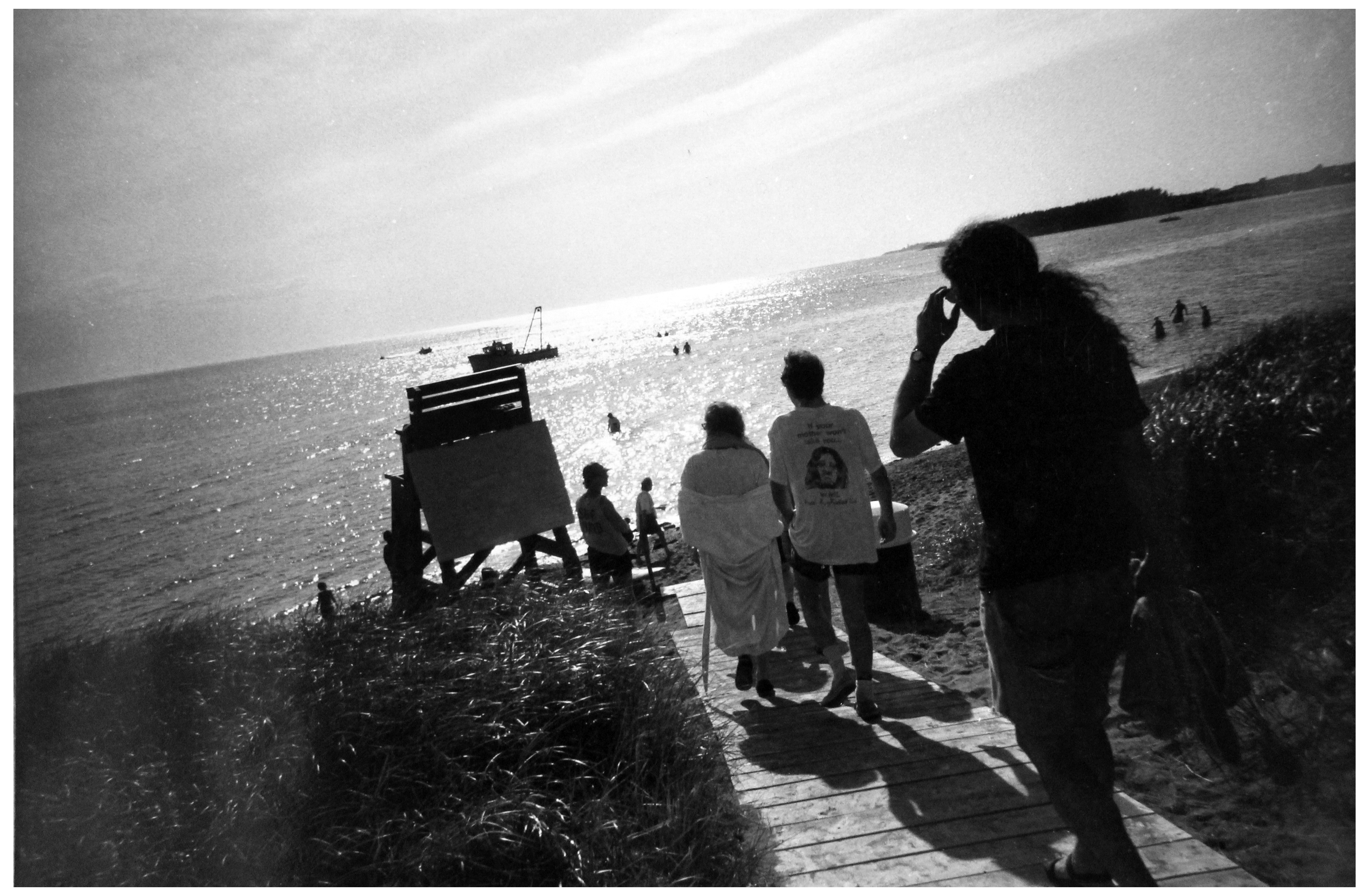
One of my favourite photos, ever. Ron Hynes heading to the beach on PEI with musicians Barry Newhook and Phil Winters. Photo by Justin Hall.
Most of all, Ron was constantly writing, forever trying things, playing the guitar and perfecting his lyric, (Ron always referred to song lyrics in the singular). When you meet someone half-way through their life, you don’t always have the full context of their past, and might not realize the extent of a person’s contributions. It’s only now that I’ve learned that Ron’s debut album, Discovery, released in 1972 when he was just 22, was the very first album composed of totally original content by a Newfoundland and Labrador artist. Ever. To have produced and accomplished this so young—from the guitar-work to the vocal to the maturity of the songwriting—Ron Hynes must have been a kid genius.
He was single-minded, a rare animal, and a true full-time songwriter. Yes, there are many great songwriters from NL, but Ron put almost every waking hour into his music. He was obsessed. I dropped into Connie and Ron’s place the afternoon Ron worked the word “plied” into his song “Cape Spear“. The pleasure he took from placing that word in just the right way is one of countless memories I have of Ron’s devotion to the craft of songwriting. As Ron’s co-writer, Connie brought a down-to-earth sensibility, lived experience, and the perspective of a woman to the storytelling. We were all the better for our proximity to Connie, but the person who benefited most of all was Ron. Connie stabilized him, and for someone as preoccupied and as driven as Ron, this was a real gift.
I loved and covered many of Ron’s songs, but his co-writes with Connie, which highlighted a woman’s voice, were something else entirely. The songs that Ron wrote with Connie are among his best. I loved to sing them not because they were easy, but because they were not easy. Ron wrote songs that challenged you as a vocalist, with unusual phrasing, sometimes with a wide vocal range, and Connie’s influence gave the songs an authenticity that created fertile ground for interpretation; for telling a different kind of story.
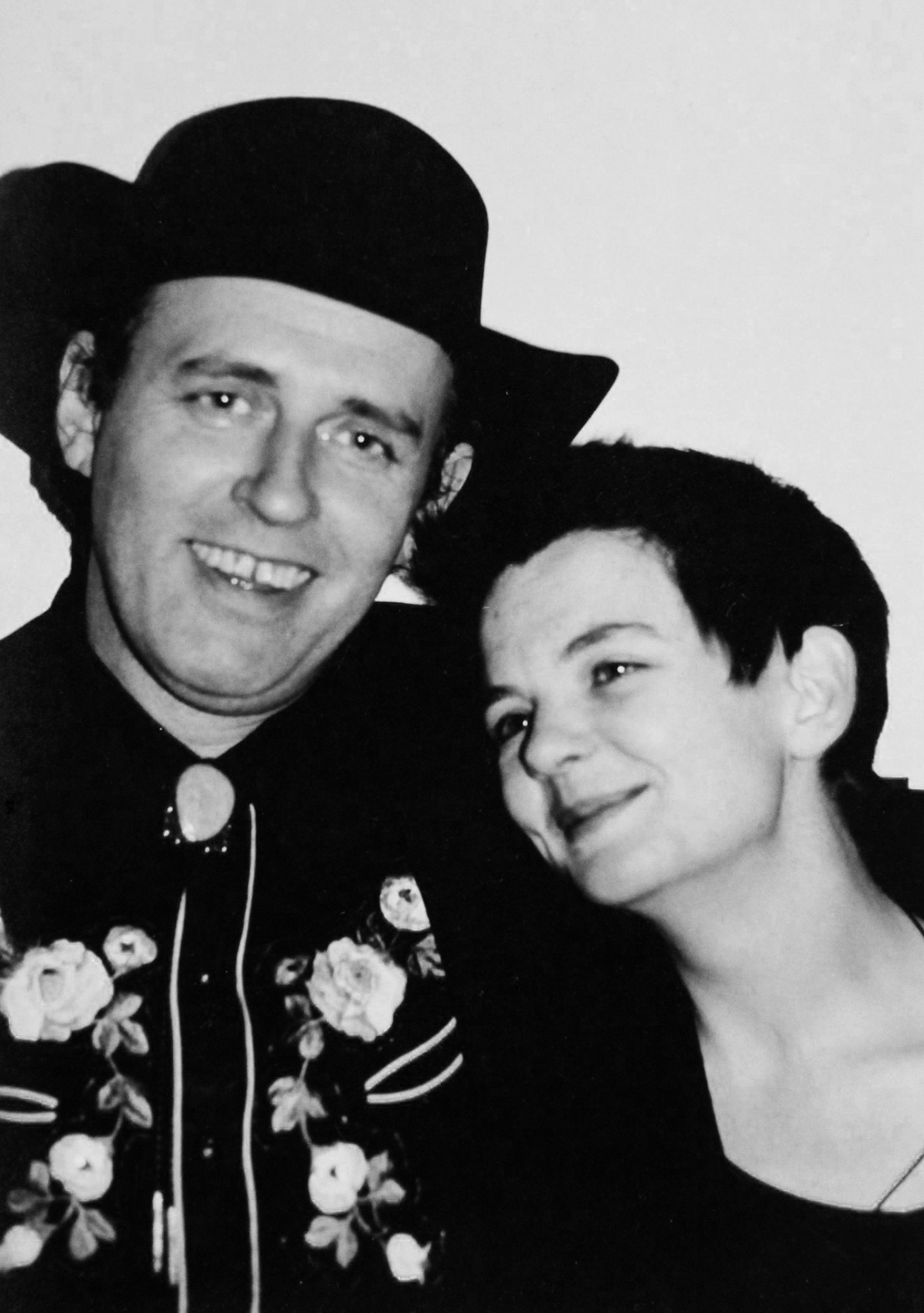
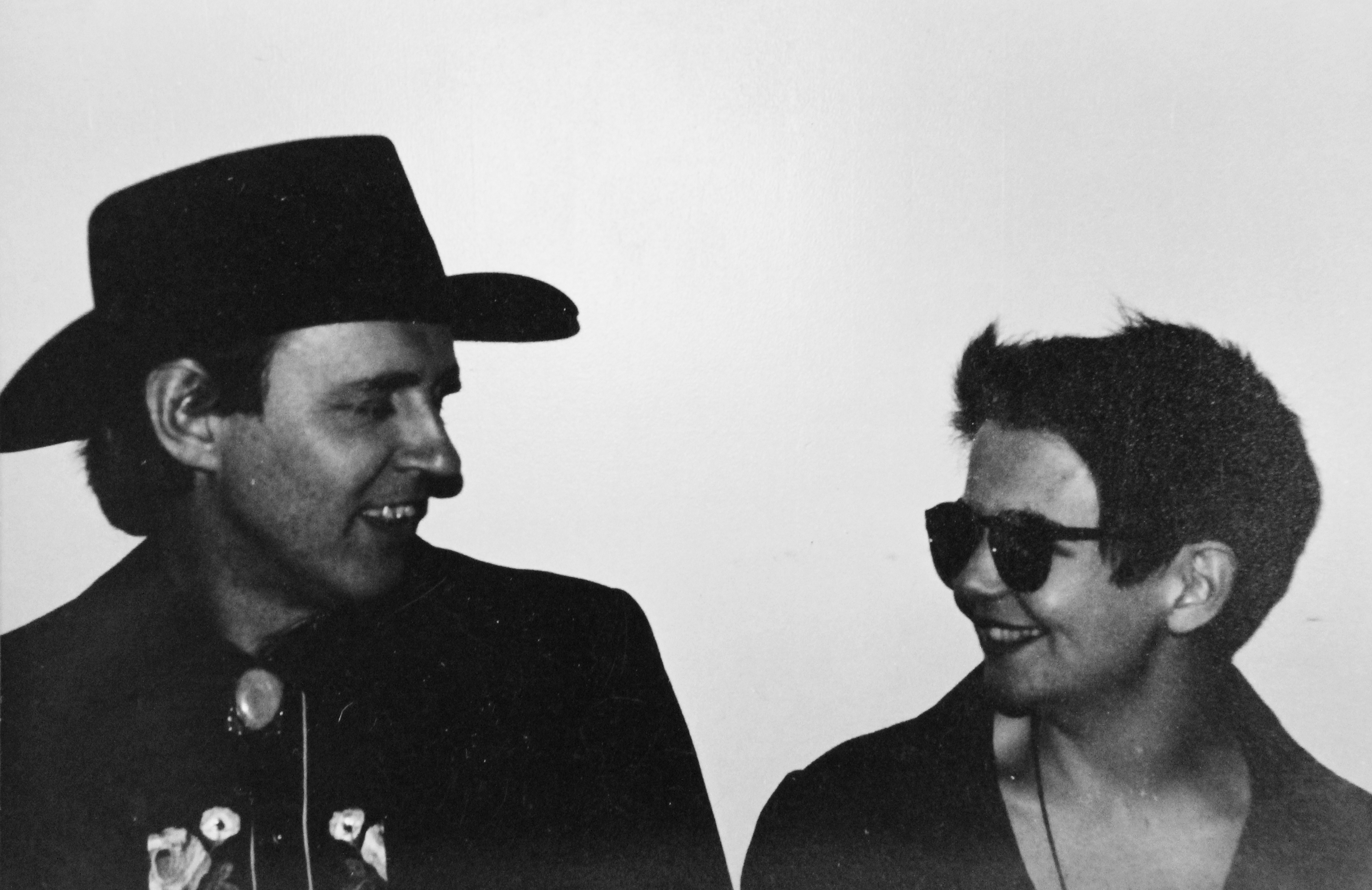
Publicity shots of Ron and I for our show at the Hall in 1992. Photos by Connie Hynes.
I had a pretty incredible front-row seat, and was present during the evolution of many Connie and Ron Hynes songs as they formed and took shape—”Constance”, “Maybe She Went Crazy”, “Love’s Thin Line”—and then had the rare access to learn those freshly minted songs straight from the writers. There were times when Ron wrote songs for me, like in 1987 when he wrote “Oh, Mama” for me to sing in a performance piece where I played a pregnant bride.
In that show, my love interest was acted by Phil Dinn, who serenaded me with “Brown Eyes” as I stood in a wedding dress on the Juliet balcony in the LSPU Hall. Knowing that the song was written as a love song to Connie added another layer to the moment. Ten years later, when I went through a messy breakup with a mutual friend, Ron wrote “You Drove Me There“. The kids all grew up listening to his children’s album, Small Fry. During those oh so long ago years, Connie and Ron’s songs reflected my life—literally.
In 1992, I produced and presented a two-night show at the LSPU Hall featuring myself and Ron Hynes performing our songs, including many of the 11:11 songs. The recording of the show at the Hall, which existed only on cassette, was eventually copied by keeners and bootlegged around St. John’s. For a moment, I thought Ron might be angry that a bootleg was circulating, but he was delighted by this, (so was I). My own writing was coming of age and shortly after that show, I recorded and released one of Connie and Ron’s co-writes on my first EP, Six Songs.
Ron and I didn’t ever write a song together—co-writing lyrics has never been my thing. If you look through Ron’s catalogue, though—you can search his titles at (SOCAN) and at (ASCAP)—you’ll see that more than half of his songs are co-writes. Even though we might think of Ron as a solo artist, he was forever a collaborator. Declan O’Doherty, Joan Besen, Glenn Simmonds, Sandy Morris, Sean Dalton, Susan Aglukark, Bryan Hennessey, George Fox, Terry Kelly, Murray McLauchlan, his list of collaborators is long and impressive. Working with other artists to create music was what he loved, it was how he got around, and was where he was at his best. That’s the nature of working in theatre and music—they’re collaborative art practices where artists really need each other.
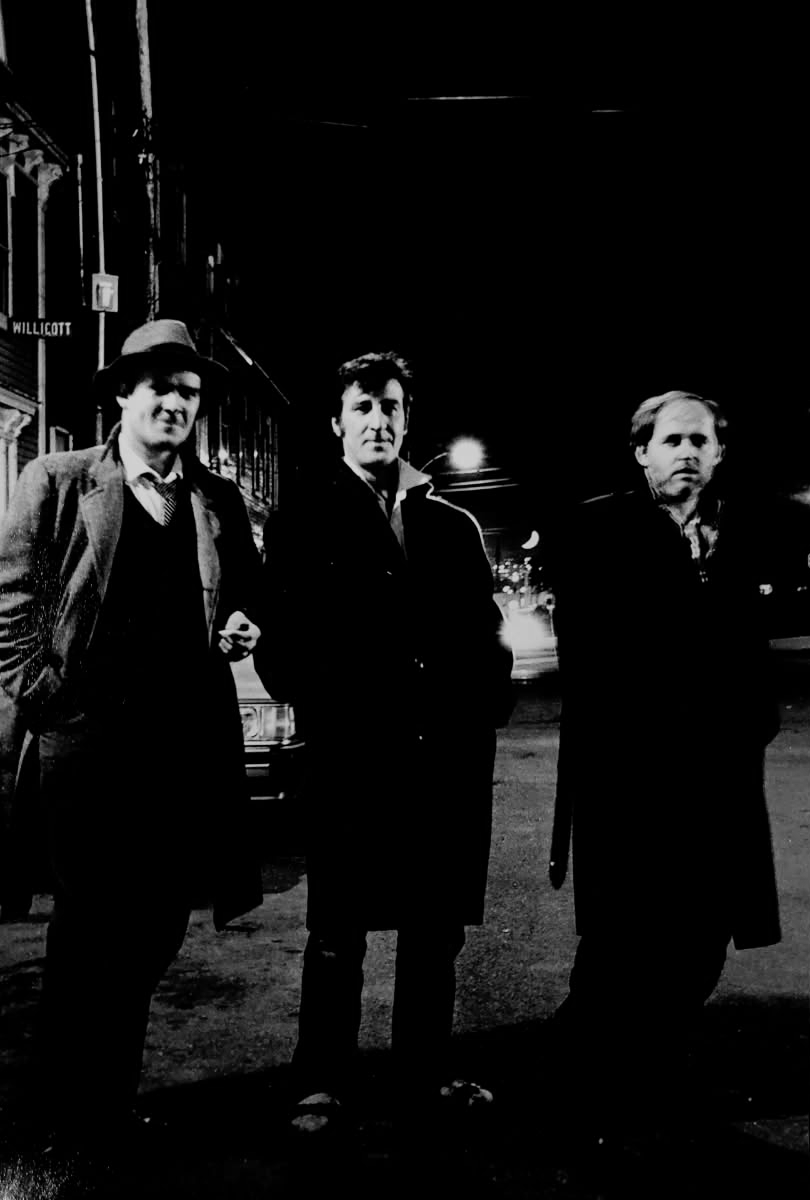
Blue Murder. Bryan Hennessey, Phil Dinn, Ron Hynes. Photo by Justin Hall.
11:11
Ron had dealings with record labels and some of the bigger players in the “music industry.” It has always been my position that the concept of “music industry” is oxymoronic—music is not an industry, and anyone who uses this phrase with any seriousness is out to rip you off. Trust me. By observing what Ron went through, I learned very quickly to stay far away from the “music industry”. His experiences inspired me to remain an independent, and it’s a decision I’ve never regretted.
At the time of 11:11, the mid-nineties, Ron was working with a Toronto-based publisher called The Music Publisher (TMP). TMP handled publishing for Ron’s music and for Ron and Connie’s collaborations. TMP wasn’t usually in the business of making records; their focus was publishing, but Connie and Ron made a unique pitch to bring them on board to produce 11:11. As a negotiating piece, Connie and Ron offered TMP their publishing rights on all the 11:11 songs. While this kind of deal was not uncommon, to me it remains a massive, even unthinkable, sacrifice. TMP agreed to Connie and Ron’s proposal, and they sought funding for the project. TMP successfully obtaining support from The Fund to Assist Canadian Talent on Record (FACTOR), which gave the 11:11 project the green light.
Fortunately for Connie, Ron, and all songwriters across Canada, their artist’s rights were covered by The Society of Composers, Authors and Music Publishers of Canada (SOCAN). This entity manages music royalties. Thanks to Canadian copyright law, specifically the Copyright Act, a songwriter must retain a 50% share of the “performing rights” royalties to their compositions (often called the writer’s share), regardless of any publishing agreements. Consequently, TMP could not take 100% of the royalty rights. They were granted 50% of the royalties (the publisher’s share), while Connie and Ron retained the other 50%, at 25% each, as the songwriters (the writer’s share).
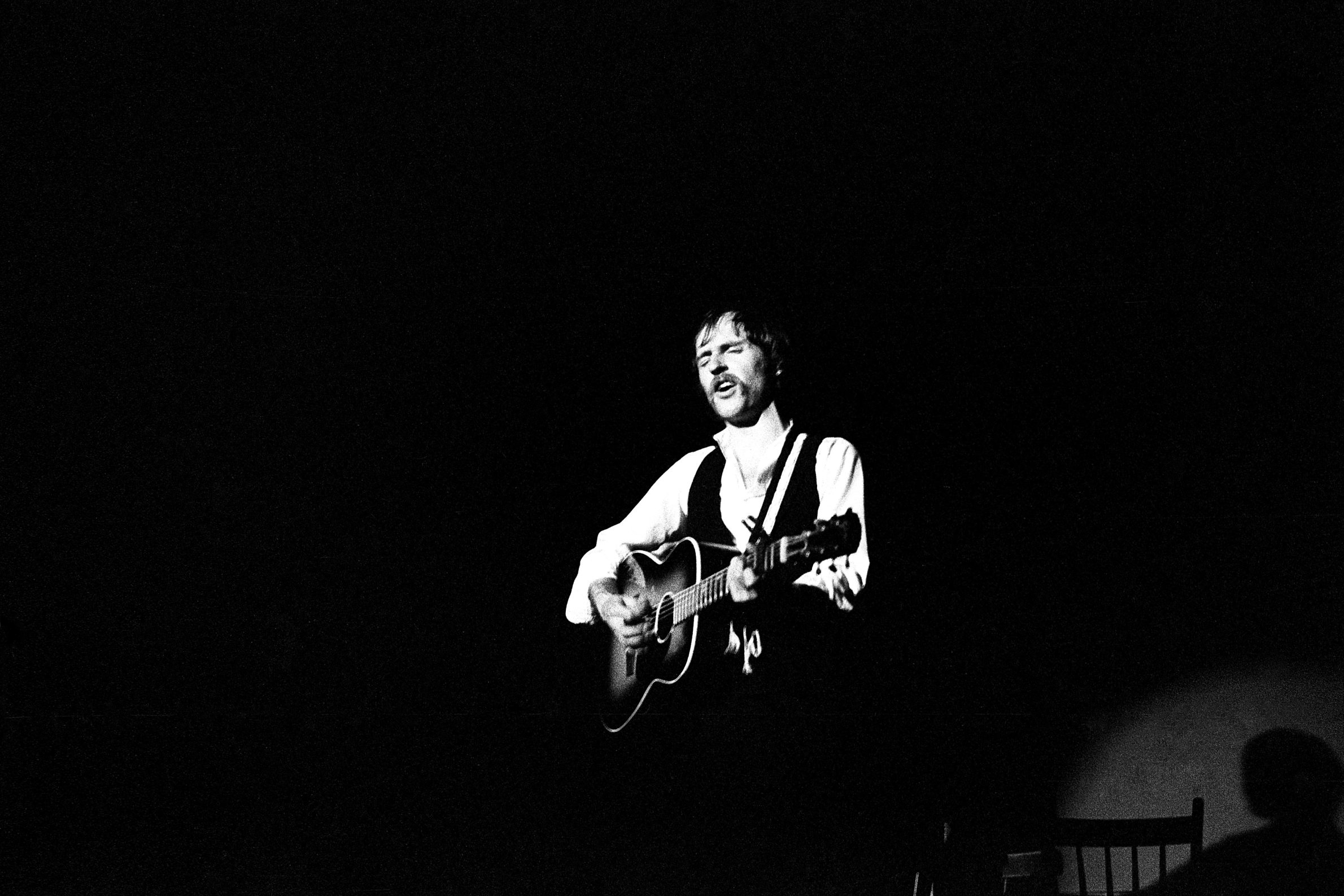
Ron in The Mummers Troupe’s 1977 production of “The Bard of Prescott Street”. Photo by Kent Barrett.
RECORDING 11:11
The eleven women artists were offered a deal where we would not be paid upfront for our work, but were given “points” on the recording—a small percentage of sales. That sounded reasonable at first, until it was revealed that we would only receive these points after all recording costs were recouped. Those costs included the professional fees for all the men hired as session musicians, producers, and engineers for the project.
The recording took place in Toronto. Ron drove me to the studio in his big boat of a car, (he always had a boat), and we wound up on the city’s outskirts. Ron steered us into a small lot in front of a low, concrete building. This was Inception Sound, the studio where 11:11 was made. I met the producer, Declan O’Doherty, along with the engineer, and the other men who were playing on the album. It was a fun day, and all hands were great to work with.
Full disclosure: Ron’s choices when it came to music production didn’t always resonate with me—I always prefer his songs and co-writes delivered solo, with a guitar and vocals. I was given lots of freedom in the studio, and had my way with the recording. I made full use of my time, simplifying the approach, and rearranging the instrumentation to slow the track down and include an organ. The song we recorded was “Picture to Hollywood“.
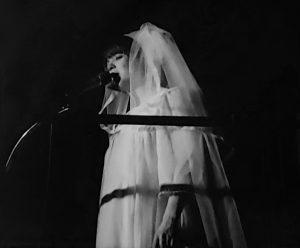
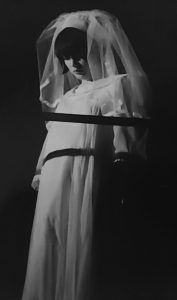
Singing Ron’s “Oh, Mama” at the LSPU Hall, 1988. Photo by Dave Tuck.
Incidentally, this song is about Connie’s relative. Her name really was Rita Alverna, she really did send her picture to Hollywood, and wait for a reply. Many of the lyrics were lifted directly from Rita Alverna’s wedding announcement in the newspaper. Having that front row seat to the creation process gave me so many rich images, and these details informed my interpretation of the song.
11:11 was released in September of 1997. It got a lot of radio play and Connie and Ron won a 1997 SOCAN Songwriter of the Year Award. 11:11 quickly became an influential NL album, and will always be a valuable document of both the work of Connie and Ron, and the eleven women artists that gave their talents to the project. By all accounts, from a creative, and critical perspective, 11:11 was a success.
Here’s the initial Press Release, as it has been preserved via this Alt Music Google Group:
September 2, 1997
For Immediate Release:
11:11 NFLD. WOMEN SING
SONGS BY RON & CONNIE HYNES
THE SONGS: THE SINGERS:
I Never Met A Liar (I Didn’t Like): Anita Best
She’s Not Wild Anymore; Damhnait Doyle
Picture To Hollywood: Liz Picard
Leave Or Be The One: Kim Stockwood
Mary Got A Baby: Colleen Power
If You Let Me Go I’ll Fall: Vicky Hynes
April Fools: Mary Barry
Only Lonely Sometimes: Shirley Montague
Love’s Thin Line: Shirley Dalton
Maybe She Went Crazy: Pamela Morgan
Heart Of A Man: Kathy Phippard
TMP – The Music Publisher and the songwriting team of Ron and Connie Hynes are pleased to announce the arrival of “Eleven:Eleven” Newfoundland Women Sing, a collection of eleven original songs performed by eleven of Newfoundland’s finest female vocalists. The project, some two years in the making, was produced by Declan O’Doherty (Rita MacNeil, Ron Hynes, WGB, Quartette) and mixed by Chad Irshick (Rankins, Suzan Aglukark).
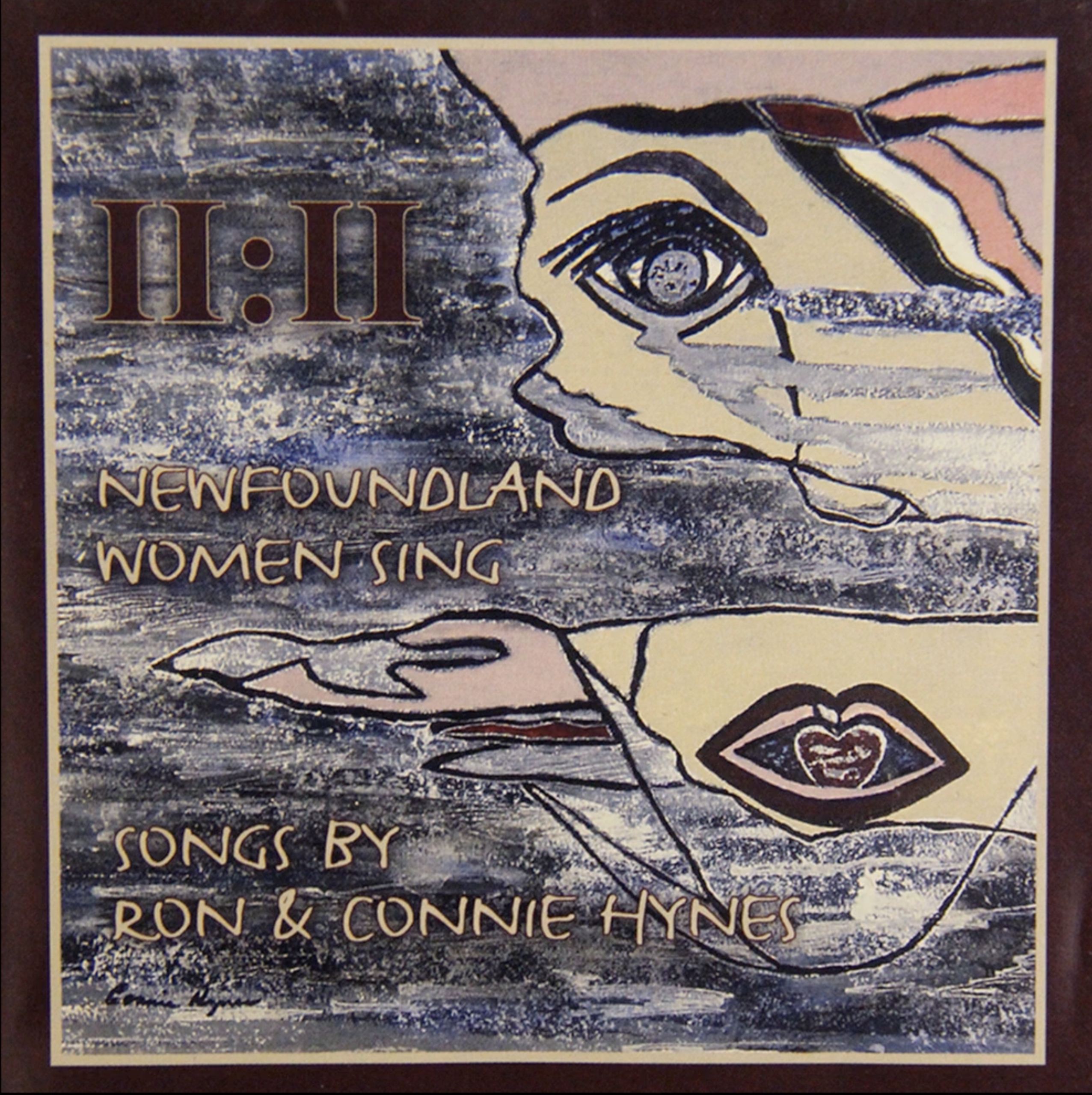
Ron and Connie’s writer partnership began in 1989 when their first co-write, “I Never Met A Liar I Didn’t Like” was picked up by MCA’s Joan Kennedy who took the song to number one on the Canadian country charts in 1991.
Three more of the duo’s co-writes were subsequently added to Ron’s 1993 EMI solo release “Cryer’s Paradise” and Ron’s current single, Constance, from his new album “Face To The Gale” was also a Ron and Connie collaboration.
Funding for the 11:11 project also came from Factor, the Foundation to Assist Canadian Talent on Record. The project was conceived by Ron and Connie in 1994 and pitched to their publisher TMP who in turn applied to Factor for additional support.
Other covers of the Newfoundland based writers’ works include cuts by Newfoundland alternative sensation Liz Picard, Scott Joss of Dwight Yoakem’s Band, as well as Ireland’s Paul Harrington.
All the Newfoundland woman handpicked for the Eleven:Eleven project are independent artists with the exception of EMI’s Kim Stockwood and Damhnait Doyle.
PART TWO
THE MUSIC PUBLISHER – TMP
When you’re involved in the “music industry”, you’re surrounded by rip-off artists, slime-bags, and other cretins who make their living off the backs of artists. Perverts, too—there are a lot of those. From creepy bar owners to shifty record label reps, those of us in the world of music are no stranger to these people, and unfortunately for Ron, he encountered many in his career. While it’s a terrible thing that none of the women, as far as I understand, were paid for their work on 11:11, it’s also important to acknowledge that Ron and Connie did not make money from this project, either. Ron and Connie poured their hearts into the 11:11 concept, but they were simultaneously navigating their own personal battles, and the chaotic landscape of the “music industry”. Looking back, 11:11 stands as a testament to their determination.
Despite the record selling out all copies, there was no second run. That meant that the women artists who were under contract to be paid by points were paid nothing. TMP was managed by its founder, a transplanted Brit named Frank Davies, a man who describes himself as “a leading executive in the Canadian and international music business”. His main claim to fame back then was that he was president of ATV Music Canada when Michael Jackson acquired ATV Music Publishing in 1985. In that transaction, Jackson gained control of ATV’s extensive assets, including the Beatles song catalogue. Following Jackson’s purchase of ATV, Davies left the company and, in 1986, founded TMP.
What few of us knew at the time of 11:11 (1997) was that Frank Davies had actually sold TMP in 1994, just eight years after founding the company. He’d sold it to Alliance Communications Corporation and something called A&F Music. TMP continued operating under Davies until 1999, when Alliance Communications, who by then had merged with Atlantis to become Alliance Atlantis, sold TMP to some sketchy-looking conglomeration of entities called The Song Corporation.
In 2,001, less than two years after forming, The Song Corporation filed for bankruptcy. TMP’s catalogue of copyrights was sold off to the highest bidder, piece by piece. Through the jigs and the reels, the publishing rights to 11:11 were eventually put up on the block. What might that have looked like? Picture a flock of vultures hunched around the songs of Connie and Ron Hynes, and the vultures are tearing pieces apart between them and then carrying the spoils away in chunks.
11:11’s publishing rights ended up in the possession of the vultures called Peermusic III Inc. (a.k.a. Peer Music Group), a large Amerikan corporation with nearly a century’s worth of history built on acquiring catalogues from small, struggling, or bankrupt publishers. Like TMP, Peer Music Group thrives on taking control of music created by others, and this is essentially how the publishing arm of the “music industry” works. Because Peer Music Group owns 11:11’s publishing rights, they collect 50% of all royalties on all the songs. Further to this, because of Ron’s decades of “deals” with Frank Davies and TMP, the publishing royalties for a large swath of Ron’s catalogue—everything from “Away”, to the “St. John’s Waltz”; from “Cryer’s Paradise” to “Atlantic Blue”—also goes to Peer Music Group.
TMP was essentially gone by 1995, and yet the women artists were given a contract offering “points” on a 1997 release that TMP (or whatever it was at that point) had no intention of ever re-pressing. To suggest that Davies and TMP did not know that the women on this album were unlikely to ever get paid is to be naive. Back then, we were all naive.
YEARS GO BY
11:11 became a beloved NL classic almost overnight. Myself and many of the women featured on the recording continued to enjoy rich careers. Years passed. Things got complicated for Connie and Ron. For all of Ron’s talent and magnanimity, he also had a dark side. Starting in his WGB days, he’d been dealing with the difficult realities of drug addiction. I was surprised when Connie revealed this to me, one afternoon in their downtown living room, because for many years Ron masked it well. That would change as time went on and his issues became more public.
Things slowly unravelled for Connie and Ron—Ron was not treating Connie right, he lied and he cheated, and then some. Eventually, the two went their separate ways, and after a while, Connie moved back to her home province of Prince Edward Island (PEI). Ron continued to face challenges with his mental health and addiction issues, and his final years were hard going. He kept on writing, though. He wrote about living with addiction and continued, somehow, to release recordings. He composed music and played shows up until the bitter end. He bore great deal of judgment and criticism for his drug use, and for his often outrageous behaviour, but his superhuman will to create compelled him to keep producing work through all the suffering.
The last time I saw Ron Hynes, he had been dealing with cancer for some time. He was in rough shape, standing outside of The Ship in a wrinkled grey suit, getting ready to play what would be his last live show. We messaged with each other afterwards, and talked about maybe performing together again. He then revealed that his cancer had resurged. He was going to fight it. He told me that he was sure he could beat it.
Ron had been to PEI to see Connie the previous summer. As soon as she saw him, she knew that something was wrong. She could tell that Ron was dying. During his last years, Ron had asked Connie to consider co-writing some new songs. Though she said she had forgiven him for everything that had happened, she refused all of his requests. In the Fall of that year, sensing the inevitable was near, Connie travelled back to St. John’s to be with their daughter, Lily. Shortly after that, Ron died, with Connie, Lily, and JTH close at hand. It was 2015. As history has recorded it—the moment Ron died, the lights went out in downtown St. John’s.
THE BREAKDOWN
The “music industry” had not been kind to Ron, and neither had life. When he died, he had nothing. Not only that, he left a substantial debt to the Canada Revenue Agency (CRA). This was public knowledge, but also, musicians have been asked to play benefit concerts to help pay back some of these CRA debts. Of course, the musicians in the community have been more than happy to do this; considering everything that Ron Hynes gave to us, it’s the least any of us can do.
What all this means is that Peer Music Group receives 50% of all royalties generated from the songs of 11:11—not just the 11:11 recording, but the actual compositions themselves. Any time the songs are performed, played on air, or recorded, Peer Music Group profits. Twenty-five percent of the royalties for 11:11 songs go to Connie Hynes as the co-songwriter, and the remaining 25% (Ron’s share) goes to the CRA. For the majority of Ron’s songs, 50% of royalties go to Peer Music Group; and for now, 50% go to the CRA.
I corresponded with a representative from Peer Music Group, Cheryl Link, to inquire about the 11:11 recording. It turns out that Peer Music Group purchased the 11:11 master recording itself, so they own the physical masters of the album as well as the publishing rights to the songs. According to Peer Music Group, the 11:11 album could be re-released, and it’s a possibility that the company has recently discussed.
Ms Link was quick in pointing out that 11:11 performers were not entitled to any royalties for this recording or its re-release. Of course, I was well aware of that. I was interested in knowing whether the contract arrangement with the artists had also been transferred, along with the physical album and the publishing rights. Ms Link didn’t know, but offered to run the question by the Peer Music Group legal team. As of this writing, there has been no word back.
Potentially, the 11:11 album could be re-released by an Amerikan company, and the women featured as performers would not receive a dime. Again.
That’s the “music industry”.
PART THREE
HERE COMES VICKY HYNES
I will preface the following by saying that, 11:11 aside, I have always been vocal in my stance that tribute shows are a scourge on any arts scene, along with dinner theatre, and cover bands. I’d argue that in a healthy culture, these blights wouldn’t exist at all. Once schlock takes root, it easily becomes the norm and when that happens, scenes weaken and eventually living arts communities die off. A culture of dinner theatre, cover bands, and tribute shows creates a situation where the familiar is favoured over discovery, where risk is diminished, and where music and art become about replication instead of innovation. The next thing you know, you’re living in an ecosystem based in nostalgia, where dead scenes are celebrated and living art starves. Everything flattens. Audiences become spectators instead of participants, and opportunities for working artists disappear. Eventually, the artists leave.
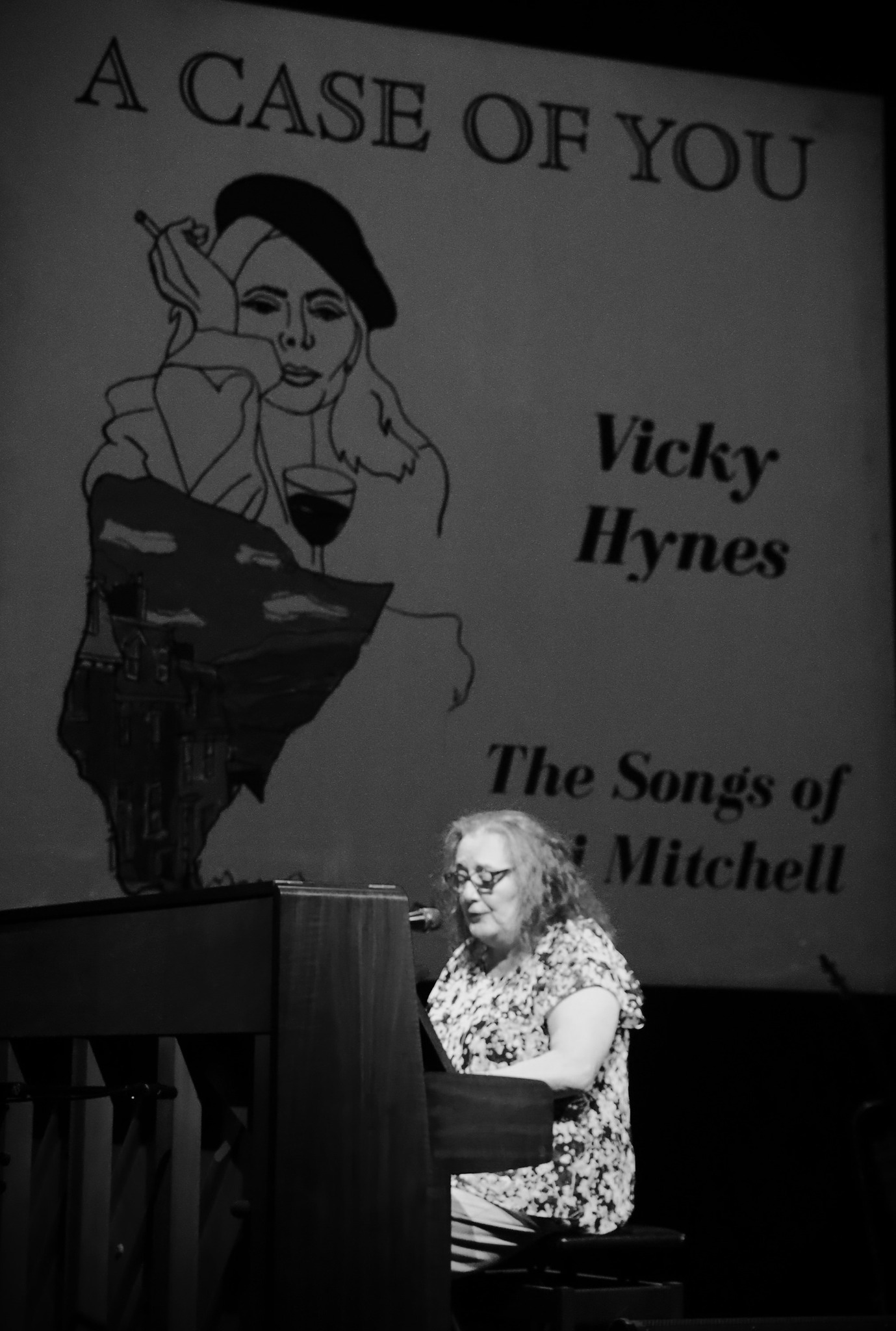
As I’ve said, the “music industry” is riddled with exploiters—they come in the form of publishers, promoters, venue owners, and sometimes, producers. I’ve encountered my fair share, and none operate more insidiously than Vicky Hynes (no relation to Ron or Connie), a St. John’s musician come producer best known for her annual Leonard Cohen and Joni Mitchell tribute shows. I regretfully admit that I participated in a couple of her Feast of Cohen productions many years ago, but I only did it because Vicky Hynes begged me. There was more than one dispute over payment—sometimes Vicky Hynes will attempt to pay you less than the agreed upon fee. Sometimes she’s even shadier.
In 2005, I performed at one of her Feast of Cohen presentations at The Government Theatre, aka the St. John’s Arts and Culture Centre (ACC). While I was standing backstage waiting to go on, I noticed a well-known recording engineer, Don Ellis, sitting behind a thirty-two channel sound board on stage left. I remember thinking how odd it was that such a big-shot recording engineer would be doing monitors for a tribute show, but I dismissed it.
The following year, I opened a newspaper to find a full-page ad for a new Leonard Cohen album, produced by Vicky Hynes. To my horror, I was featured on it. I had been recorded without my knowledge, without consent, compensation, or a contract, and then, Vicky Hynes had made a CD out of it and put it on sale. I made a big commotion, but the community was indifferent. As one artist put it, “I’m just happy to be on a record.” Eventually, I got a little traction and someone from MusicNL gave Vicky Hynes a talking-to and she coughed up a token artist fee for the performers. But the damage had been done.
HERE COMES VICKY HYNES…. AGAIN
A little over ten years later, in 2017, less than two years after Ron’s death, Vicky Hynes contacted me about an event she was calling The Ron Hynes Songwriters Festival. Besides having had enough Vicky Hynes to last several lifetimes, I had moved to Toronto. I didn’t respond. It turned out, no surprise, that Vicky Hynes was attempting to use and monetize Ron’s name without proper permission. She’d even established a not-for-profit in his name. Her unauthorized appropriation of the name reportedly prompted Ron’s family to formalize the management of the the Estate of Ron Hynes. Heather McKinnon, Ron’s cousin, was appointed head of the estate and she hired lawyer Erin Best to establish licensing protocols.
Before they could respond to her request, Vicky Hynes issued a press release claiming the Estate of Ron Hynes was uncooperative. But this was not true. All reports indicated that the Estate was eager to cooperate, but that Vicky Hynes was moving too fast, having already established a not-for-profit, and having booked artists, venues, and dates before any legal frameworks or permissions were in place. The Estate of Ron Hynes wanted to do things right because their whole intention was to operate in the best interest of Ron’s four daughters. Instead of working with the Estate, Vicky Hynes threw a hissy fit, the Estate withdrew its support, and The Ron Hynes Songwriters Festival was cancelled.
AND AGAIN….
In 2025, I was again contacted by Vicky Hynes, this time about the 11:11 tribute show she was co-producing with The Government Theatre (ACC). I was, in a word, aghast. I had to make some calls just to verify the show was actually legit. With great reluctance, and only because I felt it right that Connie and her work be celebrated, I agreed to perform.
The ensuing negotiation turned into a months-long rigmarole where Vicky Hynes dangled a “guaranteed rate” and coverage for travel and accommodations, but never came through with anything. She refused to send a contract, no matter how many times I asked. Then, the experience dipped into the surreal. Rather than just take care of it, Vicky Hynes directed me to speak with employees at The Government Theatre to figure out my own arrangements. I gave that the old college try, but got more of the run-around. Eventually, some bean-counting drone called me from a Government of Newfoundland and Labrador phone number, said he’d get in touch the next day to sort everything out, and then I never heard from him again.
When I tracked him down many weeks later, he gave me a sob story about how The Government Theatre had no money and he’d be in touch again when the Premier of the Province announced the next provincial budget. Alarm bells were ringing in my head. The drone got snippy—apparently, all of the other artists were travelling to St. John’s “on their own steam” and I was “the only woman who needed help”. I decided then and there to just stop, and I backed out of the show. Vicky Hynes was not happy and sent an email mocking my requests for a contract, and then, pathetically, she tried to bully me some… hilarious. I forwarded her email to the other artists, posted all of our correspondences to one of my websites, and walked away.
While it always takes me by surprise, the indifference from the other artists was nothing new. In a tribute show culture, it’s just better to play along with the bad guys. Besides, nobody loves you for telling it like it is—you’re supposed to go out there and feed those bears with a smile on your face, and you better be grateful while you’re doing it, too, Missy. As one artist privately said to me, “I know you’re right to ask for a contract, but I can’t say anything; I need that money for my mortgage!” If you speak up, you might be fired, or maybe you won’t get hired for Vicky Hynes’ next tribute show. This is the very reason why she won’t give you a contract. It’s how exploitation perpetuates.
It’s the “music industry”.
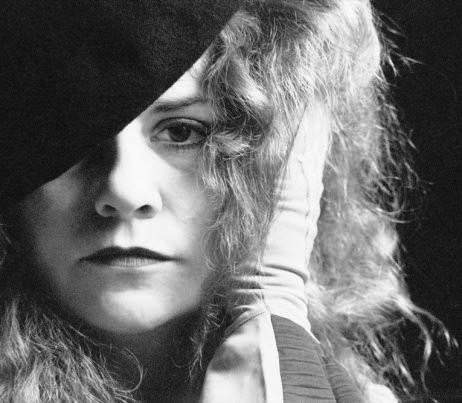
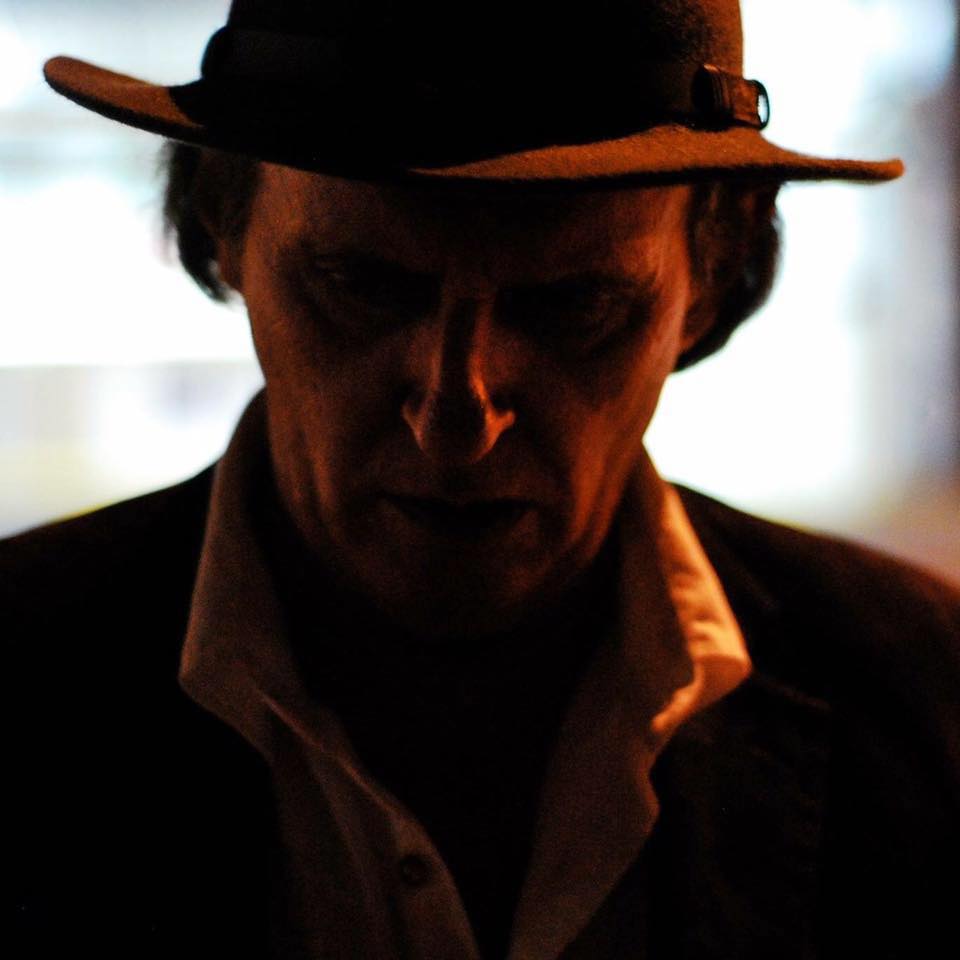
Connie, photo by Kent Barrett; Ron, photo by Paddy Barry.
CULTURAL FABRIC
Just a few days before the show, in an oddly timed statement, a St. John’s MHA stood up in the NL House of Assembly to acknowledge Ron Hynes—but made no mention of the show that was about to happen literally down the street in The Government Theatre. A show where two dozen women would be performing Connie and Ron Hynes co-writes, and where Connie Hynes herself would be in attendance. Out of touch? Yes, but it was also weird. Very weird. It got me to wondering… is this how women and their work get erased—overshadowed and underpaid until we’re just disappeared from history?
We’ve all had enough of career politicians rising in the House to stake claim to artist’s legacies, gesticulating about tapestries and the cultural quilt of the people, while communities continue to struggle. Little has changed since Joel Thomas Hynes decried the lack of mental health and addiction services in the province. We all know that it doesn’t have to be this way. For everything that governments and politicians take from artists, the arts remain critically under resourced and underfunded, and sentimental lip service like this doesn’t help:
“Ron Hynes’s songs provide the soundtrack to the very fabric of our culture and heritage, offering Newfoundland and Labrador a permanent placement on the world stage.”
When will politicians stop referring to arts communities as a collection of mystical threads in some imaginary fabric? This literal nonsense could not illustrate more powerfully the need for investment in the arts and the work of artists (in this case, writers).
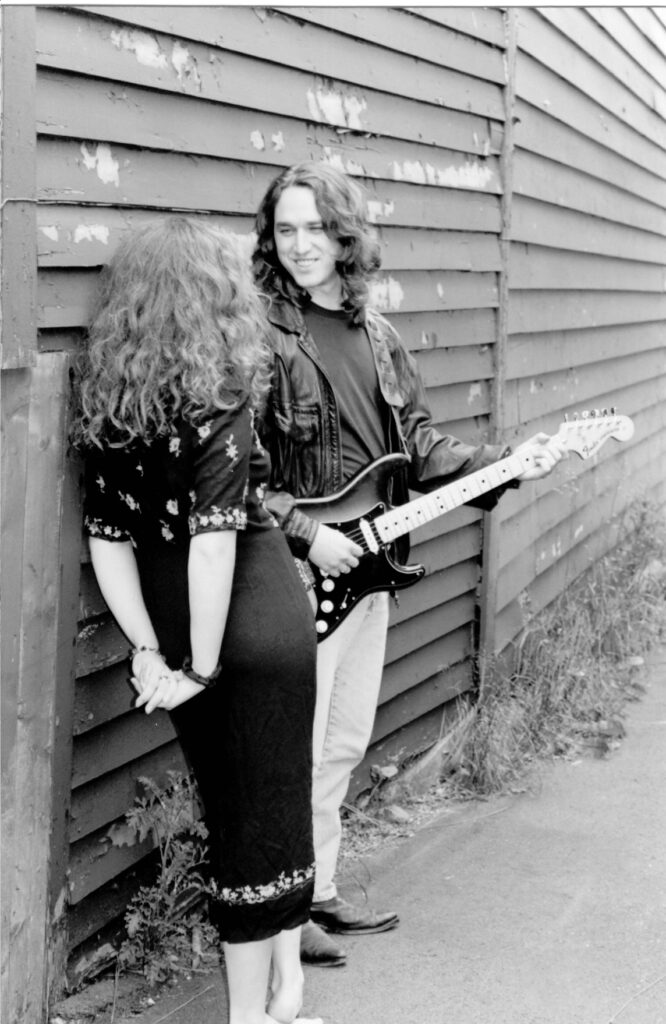
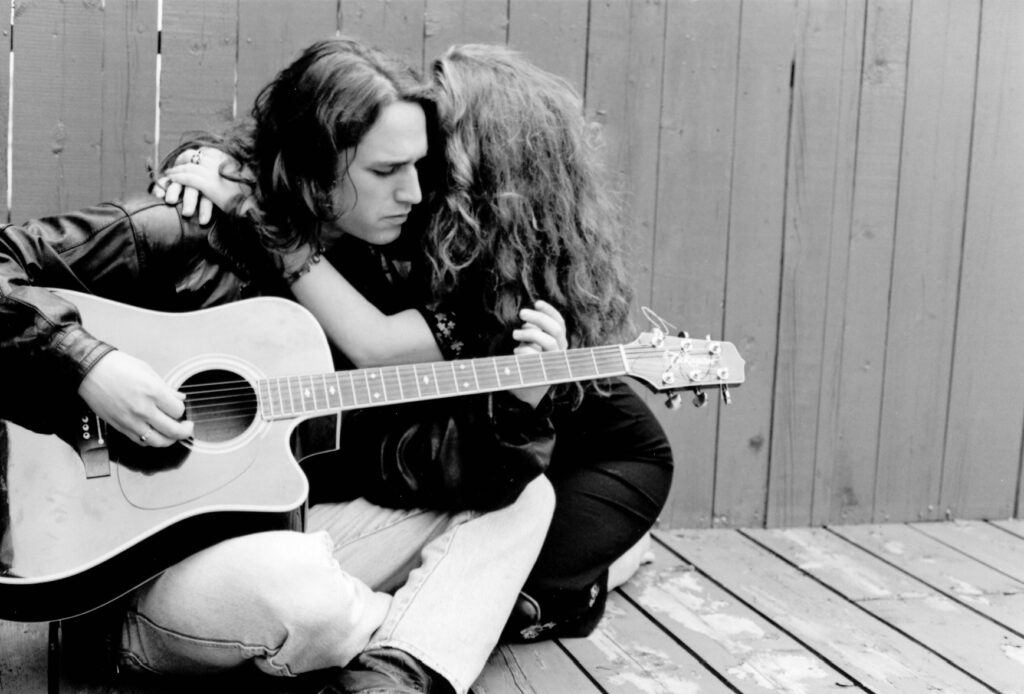
Chris LeDrew and Janet Murphy in publicity shots for RCA’s 1994 production of Connie Hynes’ “Later That Same Life”.
THE LEGACY OF 11:11
It’s been a few weeks since the 11:11: Newfoundland Women Sing the Songs of Connie and Ron Hynes show closed at The Government Theatre in St. John’s. I was not there. It feels wrong, but the whole world is wrong right now, so it is what it is. By every account, it was a great show and the performers gave it their all from the stage. I’d expect nothing less—this is what performers do. They also made sure that Connie was duly celebrated during the event. Let’s just hope Vicky Hynes and The Government Theatre paid her well (or at least paid her).
Of the royalties generated from the show, the songwriters (Connie and Ron) will receive either nothing or a fraction of the proceeds. The larger portion of the royalties will fly off to Peer Music Group (50%), and to the CRA (25%). As an Amerikan corporation considers re-releasing the 11:11 album, this question remains unanswered: Will the women who made 11:11 possible finally be compensated for that work, or will those contributions continue to be exploited?
Whatever happens, 11:11 is an enduring tribute to a community that once was, born in the warmth of a downtown St. John’s living room where Connie and Ron nurtured a generation of artists. 11:11 will always be a classic, a time capsule of a special moment in Newfoundland and Labrador’s music history, but it also serves as a warning: the “music industry” devours its own.
Being an artist is a calling; and when it is your calling, there’s just nothing you can do about that. The work is everything. But so is the truth. 11:11 was an important album, but it stands as a reminder that talent and love and good intentions aren’t enough—we also need solidarity.