What makes a piece of theatre exciting is the element of risk—how far is an actor willing or able to put themselves out there? How much humanity can a script give us? The theatre stage is a space where we challenge boundaries, explore new territory, and re-frame and reflect the world in an honest and uncompromising way. At the same time, good theatre offers us a new perspective for experiencing the world. Really, isn’t taking a risk the only reason to do theatre at all?
Sex Worker Diaries… Spoken and Sung recently closed its run at the Performing Arts Lodges in Toronto. It ran over the course of two weeks to full houses. The show sold out early—a testament to the hunger that people have for real stories and new ideas. Sex Worker Diaries… Spoken and Sung delivered, and then some. The project was incepted by Thérèse Bernier, a University of Toronto Health Services Research PhD specializing in mobile health and the use of technology to improve the lives of sex workers. The project was funded through a grant from the Social Sciences and Humanities Research Council of Canada (SSHRC).
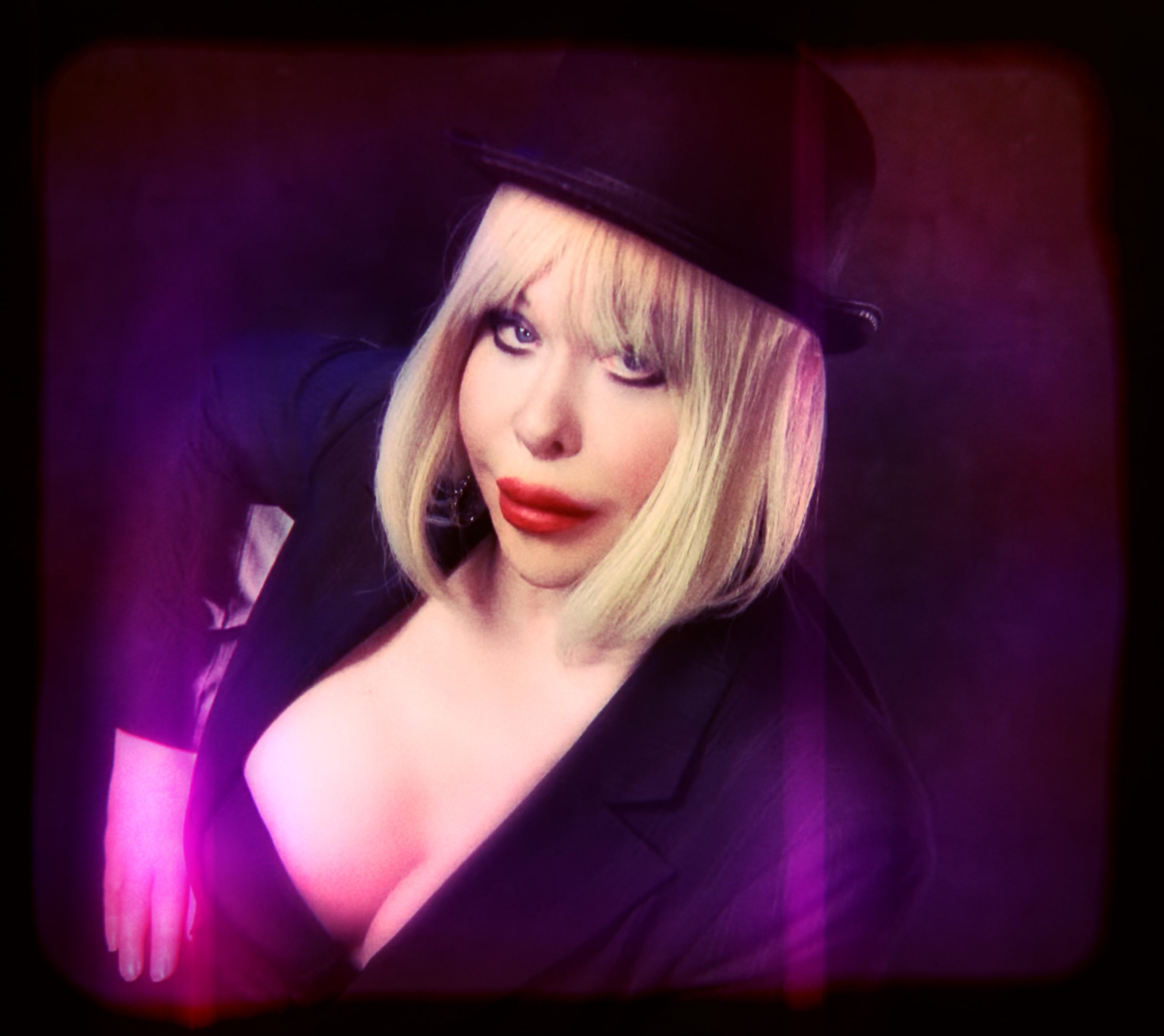 Produced and written by Thérèse Bernier and Mandy Goodhandy, and directed by Mandy Goodhandy and Cat Nimmo, this piece is based on in-depth interviews conducted with fifty-two sex workers across Canada. The words of sex workers were transformed into stories and songs, and the piece is offered as part public scholarship and part creative performance. Its intention, apart from providing a vital piece of theatre, was to explore how stigma impacts the health and safety of sex workers and how that stigma affects relationships and everyday life.
We were introduced to multiple characters throughout this musical: four young people working in different areas of sex work, a charismatic host of events, and a backup band, featuring a piano player and a saxophonist. The staging was simple, with small projections to denote characters’ online identities, a podium, a stool, and a stripper pole. Sex Worker Diaries… Spoken and Sung consists of a series of monologues, interspersed with show tunes about living as a sex worker. The presentation was woven together by Amanda Taylor, playing her on-stage persona, Mandy Goodhandy.
Mandy Goodhandy/Amanda Taylor is a pioneering Canadian trans woman entertainer, hostess, and author. A veteran of the Toronto scene, she is known for her bold, boundary-pushing work in live performance and cabaret. Her work spans multiple forms—torch singer, comic, entrepreneur, director—and she has contributed significantly to transgender and queer culture in the city and beyond. She is also a proud sex-worker of over thirty years and a fierce advocate for the decriminalization of sex work. Through her T-Girl Parties, she organizes and hosts the world’s longest-running event dedicated to trans women, their admirers, and allies.
In other words, Amanda Taylor is a legend. I’ve had the good fortune of seeing her perform many times. You’re always safe in her hands. Mandy is a powerful stage performer, but she’s nuanced. She brings a subtlety to her performances, so that even her smallest movements are meaningful. Audiences are seduced into loving her from the moment she steps into the light. And by the way, the light loves her.
Mandy Goodhandy served as the anchor for all of the other performers. We were introduced to the character of Piper, played by Olivia Verma, who opened Act One with a rousing show tune about “the work.” This number emphasized the theme that would run throughout the show—that sex work is real work, and that many of the people who work in this area choose to do so. Verma’s performance was fun and vibrant, and she had the audience eating out of her hand.
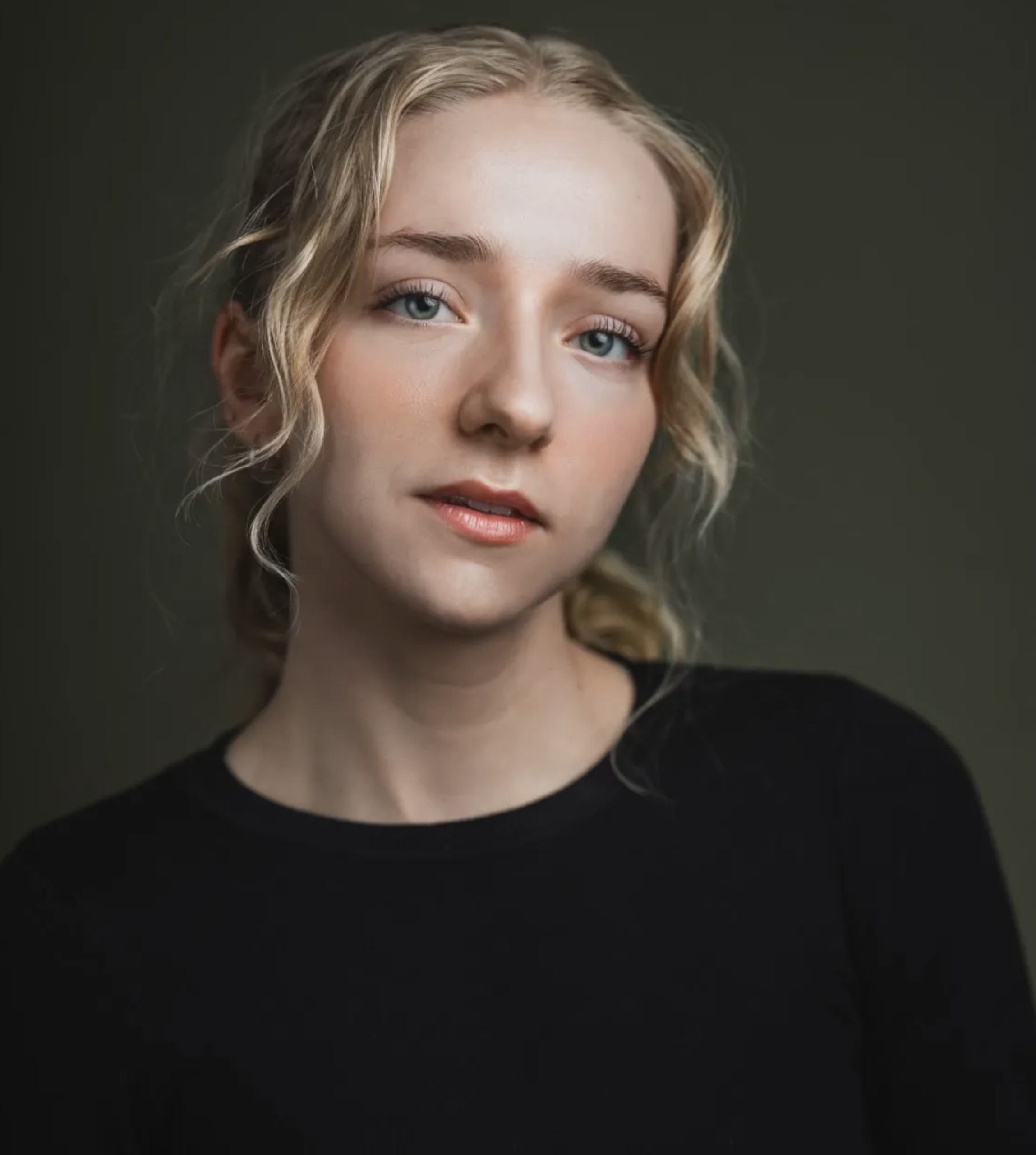
The character of Vienna, played by Jay Richard, took the stage with an entertaining song and dance, bringing all of her musical theatre skills and good energy to the play. Here’s the thing we understand right from the beginning of the show: musical theatre that celebrates the lives of sex workers with production numbers is a great thing, and we are reminded that the world needs more of this right now.
N.L. Lee plays your_instantcrush. This actor challenges us with a very direct delivery, and he leaves us with a few unforgettable images. In one scene, your_instantcrush slowly removes his clothes while delivering a soliloquy, a striking moment where Lee gives unflinching vulnerability.
There were a number of standout performances and one of those was Cris Alva playing the part of Fallon. Towards the end of Act Two, Alva gives a moving monologue that alluded to the character’s difficult past, and exposes the toll that the work has taken on their life. Alva brought an uncommon authenticity to the stage. There was a comfort level with performance that you rarely see, and for all of this actor’s humorous moments, they also brought depth of emotion. They gave sadness. They gave irreverence. They gave quiet rage.
All of the actors managed the material with valiance and skill. In Canada today, whether it’s theatre, or film, or television, the calibre of craft being brought to the table is high. There’s rarely a weak link, and this production is no exception. Actors were asked to explore risky material in an experimental format and to bring it to life on the stage in front of an audience. It did not matter that there was a messy transition every now and then. What was important was that artists were taking risks to explore new territory, and the significance of this cannot be understated.

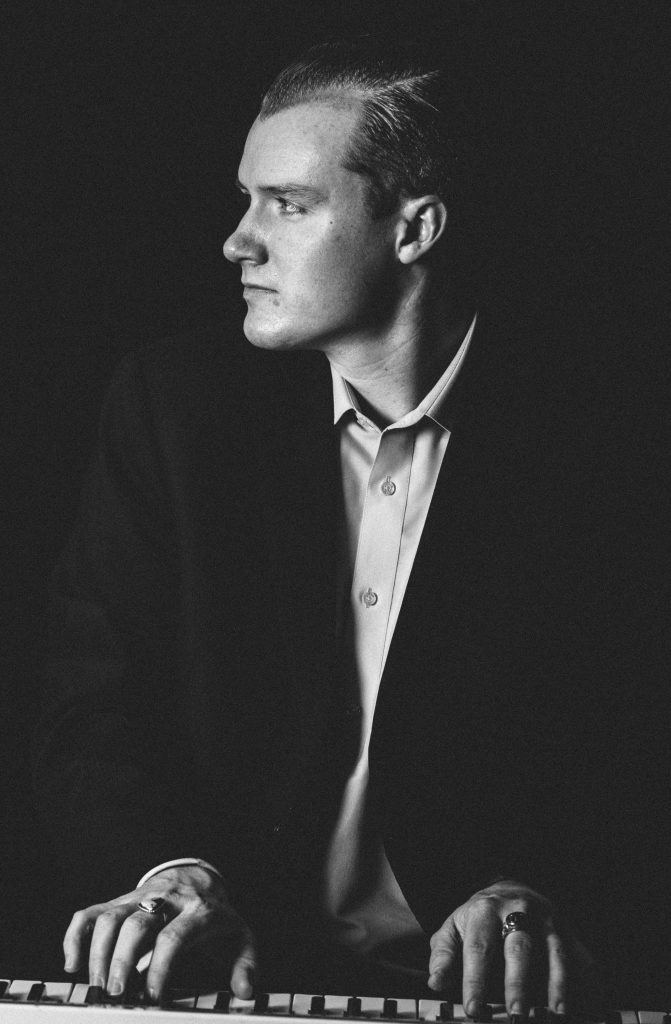
The band, consisting of Jesse Whitely on piano and Carrie Chesnutt on saxophone, was, in a word, excellent. They were situated off on stage right and they merged with the cast effortlessly. The performance of Carrie Chesnutt was off the charts. She has undeniable star power, and when she was given the spotlight, she owned the building, to the point that had she not been the consummate professional, she would have completely stolen the show.
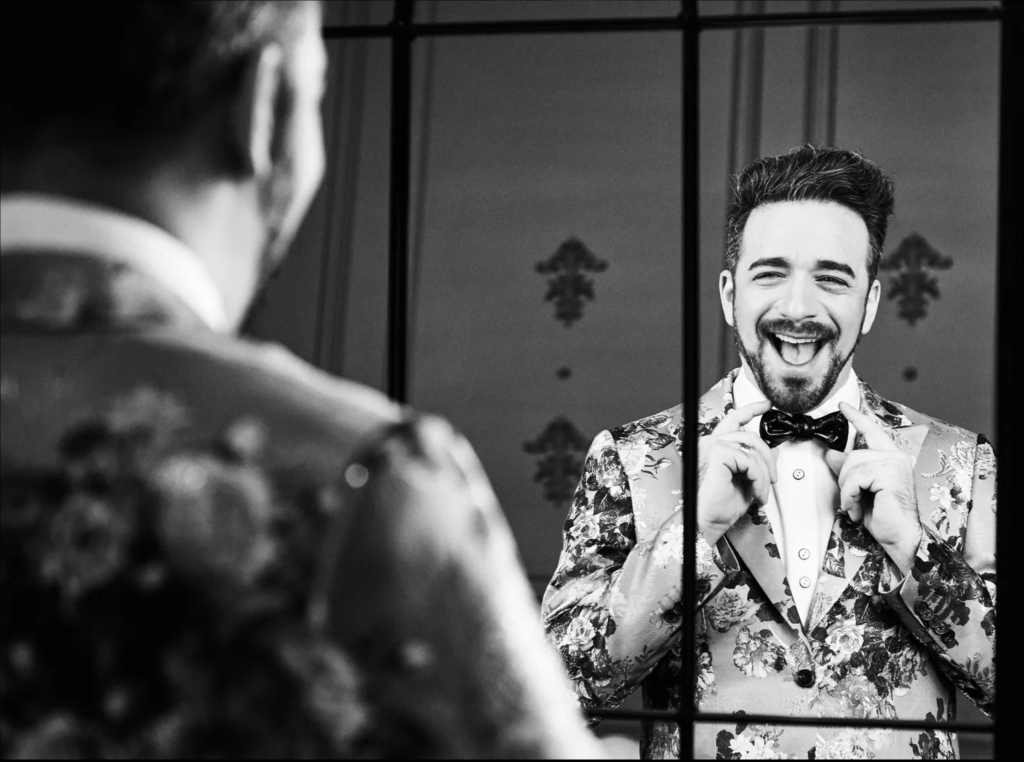
The songs composed for Sex Worker Diaries… Spoken and Sung draw from the real words of sex workers in this country, and were crafted by the creative team of Ori Dagan and the aforementioned Jesse Whitely. These are both bona fide showmen, each a recording artist and professional entertainer in his own right. Dagan is an award-winning jazz singer-songwriter; and anywhere, anytime, Whitely can sit down at the piano and render any show tune in any key. Together, they bring a boat load of skills. In co-composing the pieces for this play, Dagan and Whitely leaned into classic sensibilities without ever lapsing into nostalgia, proving that there can be something refreshingly old-school about a show tune, especially an original one.
The notion of a musical that shares and celebrates the lived realities of sex workers is beautifully subversive. If I had a note, I would admit that there were moments when I wanted to know a little more about the darker side of the life. What we got was good, but we know there are more layers to these stories. Also, it’s vital, when including the experiences of marginalized people in the narrative, to have those marginalized voices represented as actors, as opposed to having other actors talk about them.
While Sex Worker Diaries… Spoken and Sung was a successful piece of theatre, the production is a part of a unique developmental process. This is essential stuff, and it’s what theatre is for—to experiment, to try, to explore meaning in new ways, and above all, to take risks. If we don’t take risks, we never create anything original. I, for one, want more feel-good musicals about sex work. It’s radical, it’s uplifting, it’s correct.
I’m certain that over the course of the run, the show tightened to the point that it was seamless on closing night. Based on the work I saw at the Performing Arts Lodges, I can envision this musical playing to full houses everywhere.
Top Photo by Airam Dato-on