Nash The Slash Rises Again – A Review
by Tallulah AF
Directed by Tim Kowalski; Written by Colin Brunton, Kevan Byrne, and Tim Kowalski
Nash The Slash was iconic. A talented musician and violinist, he may be best known for his innovative fusion of electronic experimentation and performance art. He was a trailblazer, developing new formats for the live music stage, and inventing industrial sound techniques before the term industrial sound was in wide use. He was also an old school showman who lived to entertain.
 Nash the Slash Rises Again, by writer/director Tim Kowalski, and writers Colin Brunton and Kevan Byrne, frames Nash the Slash (James Jeffrey “Jeff” Plewman) through the anecdotal remembrances of the artist’s colleagues and associates. From the men who worked with him in his bands, to those who created the projections for his stage shows, and helped to produce Nash the Slash’s records and tours, we learn about the temperamental, intense, and sometimes petulant Nash, and what it was like to work with him.
As the film opens, several speakers describe how Toronto in the 1960s and early 1970s was bereft of culture. Much of what was being experienced, especially by young people, was imported American media and secondhand hippie aesthetic. Culture-less Torontonians were struggling to forge an identity. This was also the case on the East Coast at that time, and this experience of communities pushing to create a culture of their own was very likely happening all across Canada. So, Plewman, and later his Nash the Slash persona, appeared on the scene at a heady time when Toronto’s unique art and music scene was emerging.
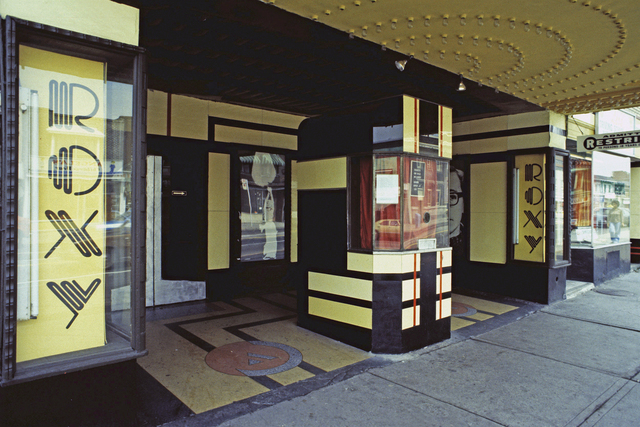
A trained violinist, Jeff Plewman was born in 1948 and raised in Toronto. The film does not discuss his early life. Some of his first solo works involved creating compositions for old silent movies: he would stand next to the screen and play his violin live as a soundtrack. His very first solo performance is cited as a live soundtrack presentation for Luis Buñuel’s Un Chien Andalou in 1975. He showed this work at the Original 99 Cent Roxy Theatre, a significant Toronto venue at the time. The Roxy gave artists access to a stage, and this had a significant impact on the development of both Toronto artists and the local scene. It was run by promoter Gary Topp, who went on to become Plewman’s colleague and ally.
One of Plewman’s first bands was called Breathless. As a brief aside: Breathless never released an album, but they did tour with The Strawbs in 1973, including playing a show in my ex-hometown of St. John’s, Newfoundland. They performed at the government theatre—The Arts and Culture Centre—and in a dramatic flourish at the end of his set, Plewman lit his violin on fire. The stagehand, unaware that this was a part of the performance, ran onto the stage and put out the flames with a fire extinguisher. Legend.
In 1976, he co-founded the experimental space/alt/prog band FM with Cameron Hawkins. FM was known for their textured layers of sound, sci-fi lyrics, and Plewman’s use of electric mandolin and electric violin. Their one-time appearance on TV Ontario’s Night Music Concert is now a cult classic.
FM’s first album, the influential and much celebrated Black Noise, was originally commissioned by the CBC and released as a limited mail out. It was later released by GRT/Passport Records where it rose up the charts, in part due to the popularity of the song “Phasors on Stun.” Then in 1977, citing creative differences—namely, that the new inclusion of a drummer made the music “too commercial” and interfered with his experimental intentions—Plewman left the band to work on his solo career.
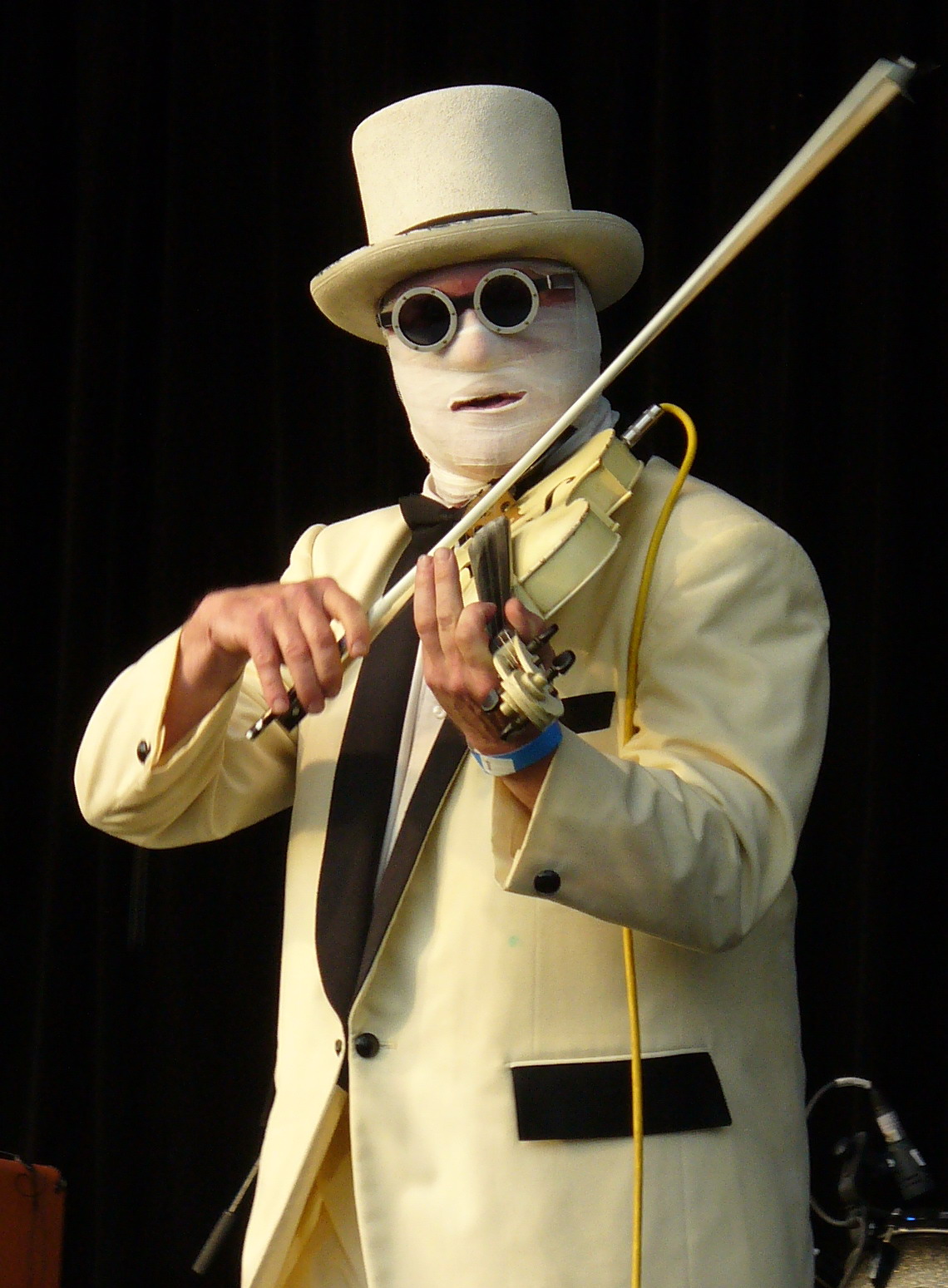
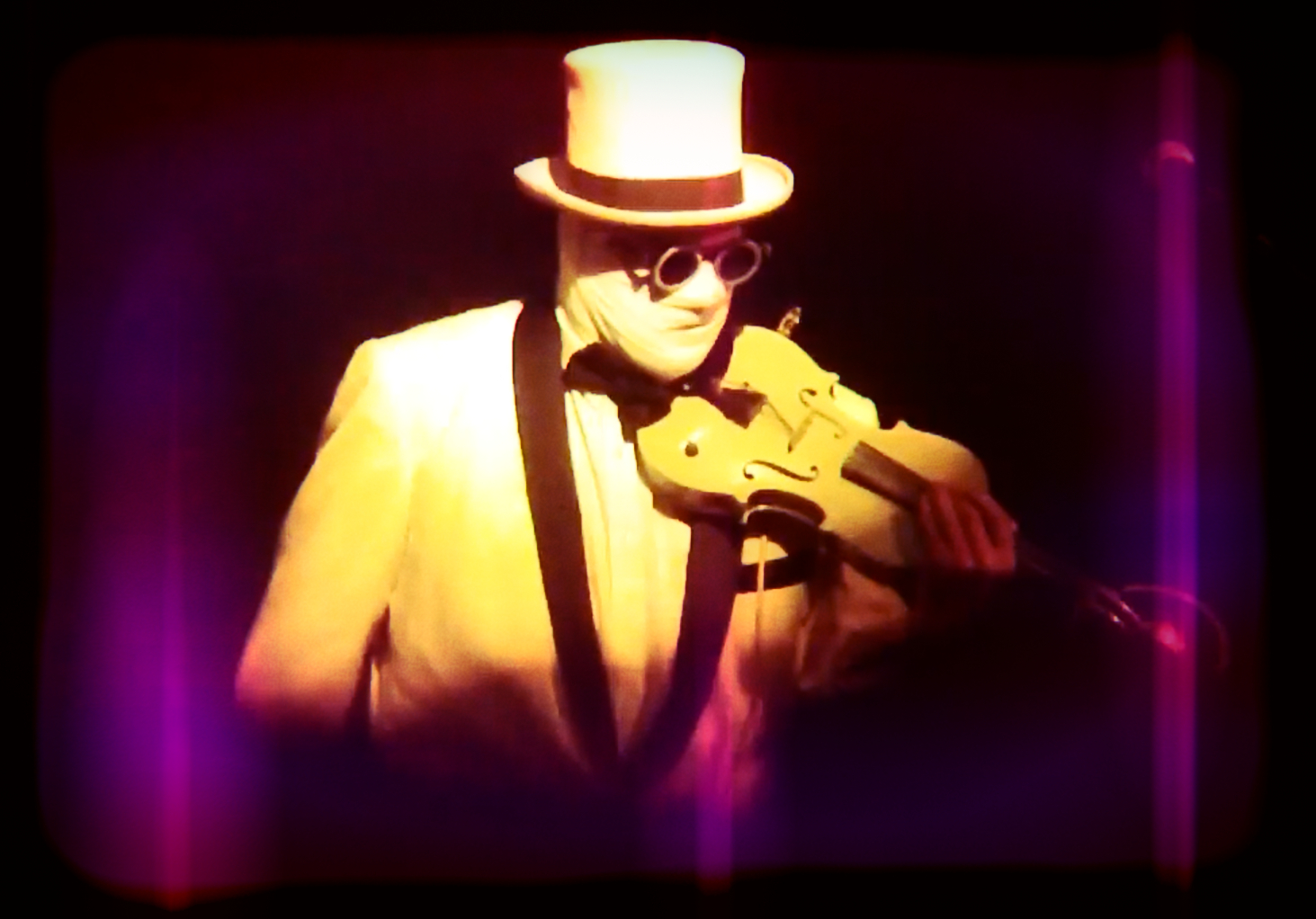
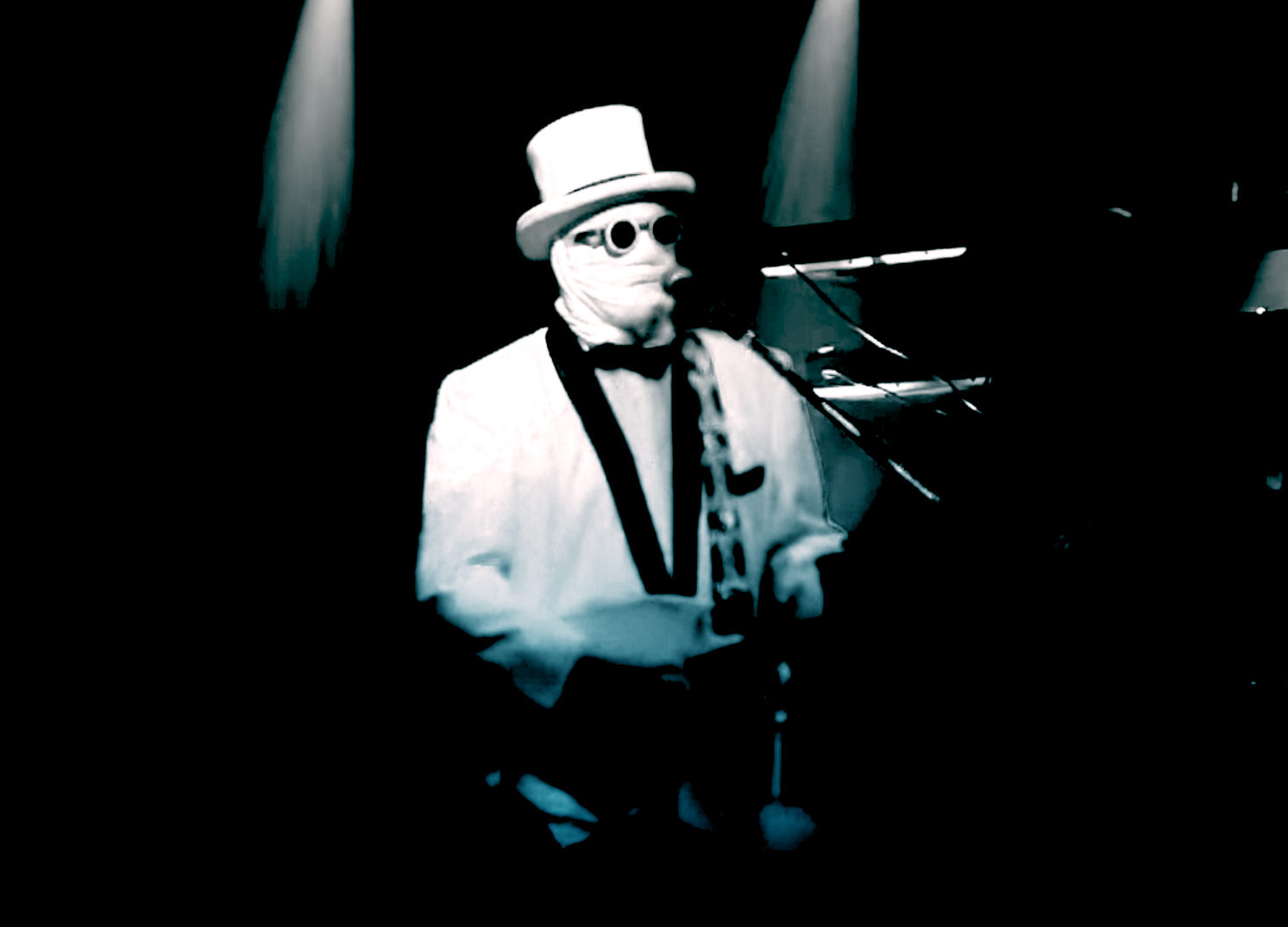
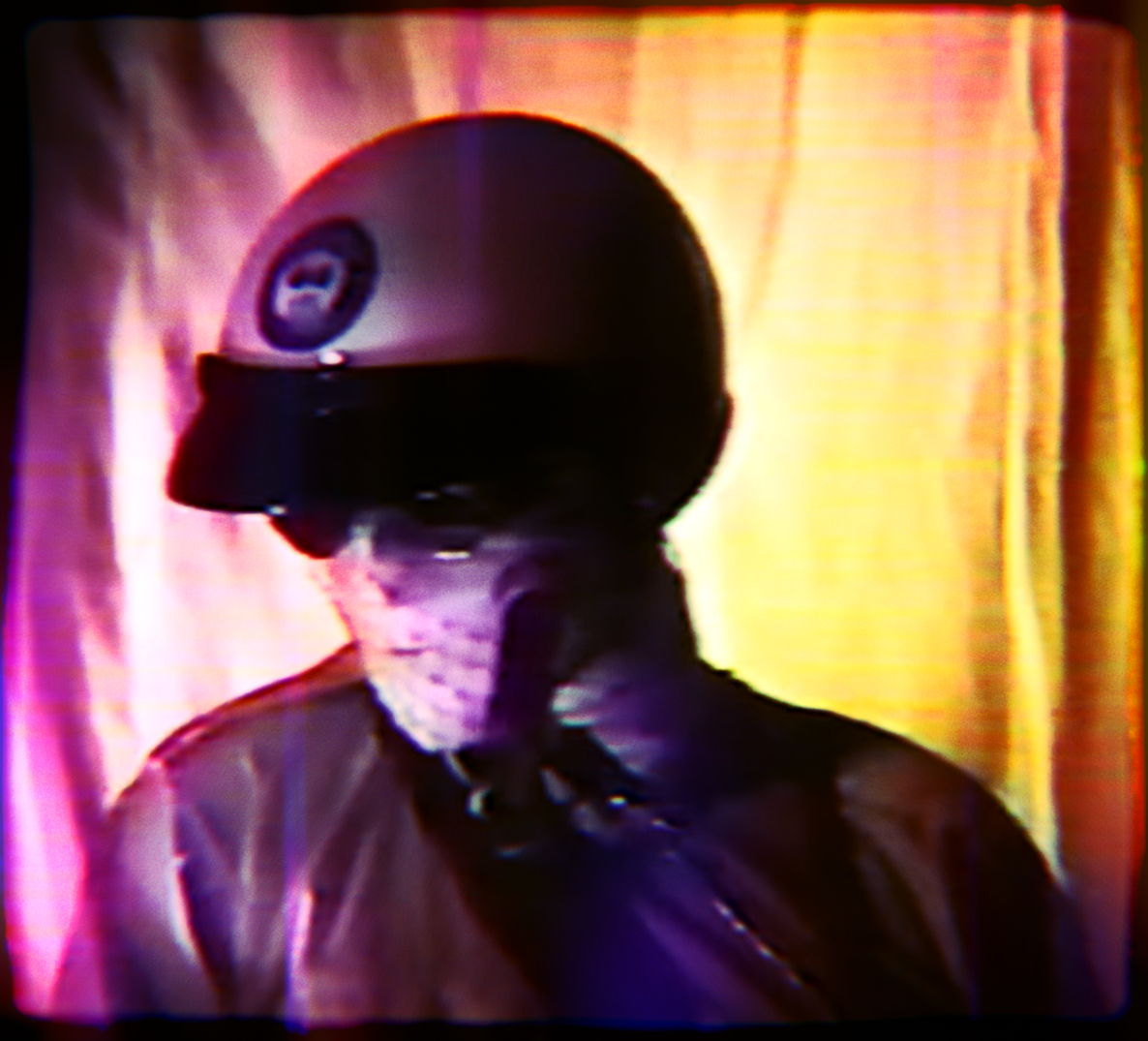
The film describes how the Nash the Slash persona emerged in the late 1970s during an event organized to raise awareness about the Three Mile Island nuclear disaster. Plewman stepped out on stage dressed in a tuxedo and top hat, with his face wrapped in bandages. The rest is history. As Nash the Slash, he released ten studio albums and EPs, including the influential Dreams and Nightmares and Children of the Night. He advanced new possibilities for the violin, became known for one-of-a-kind live performances, and built a devoted cult following.
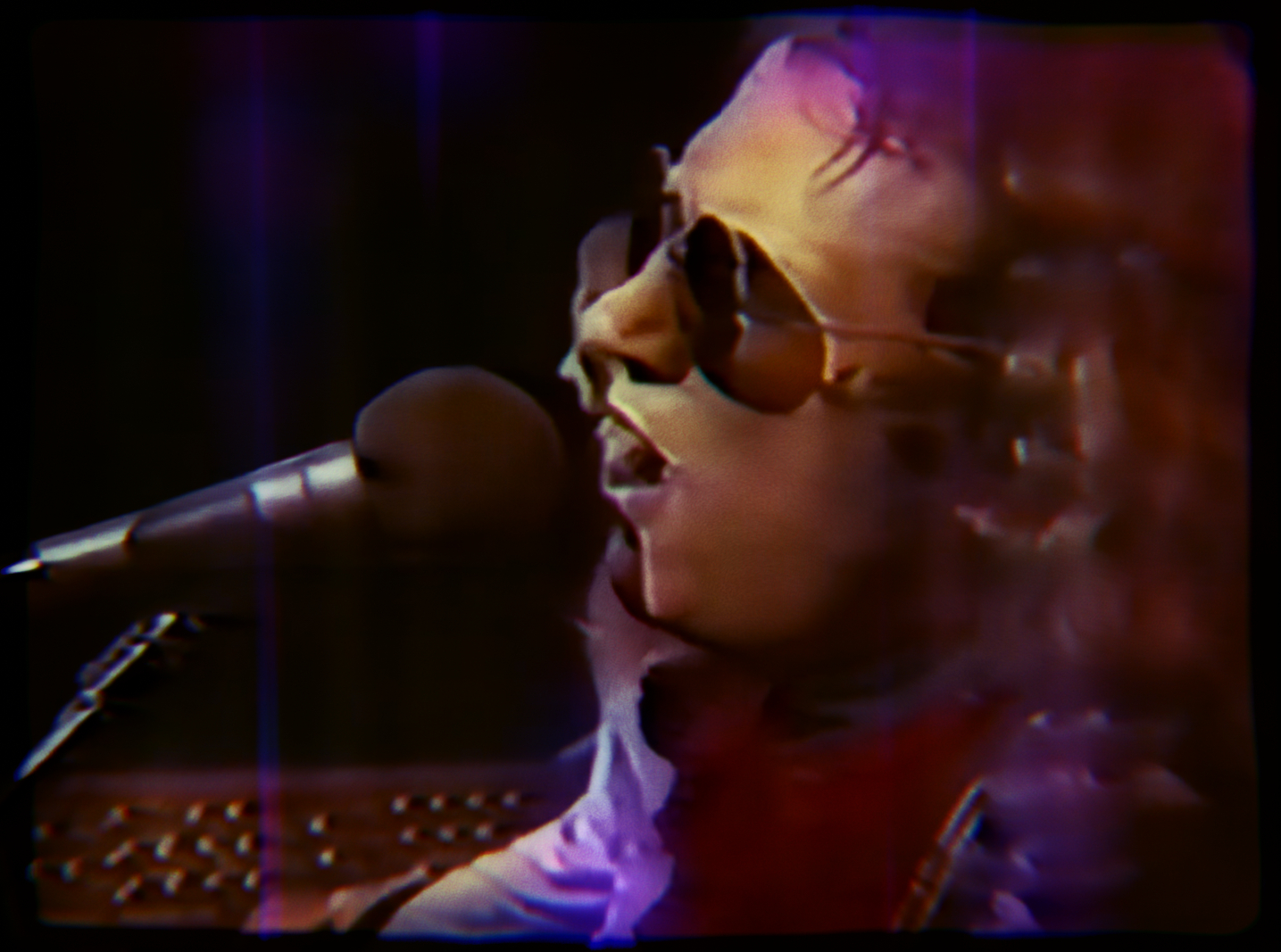
His talent inspired many artists and we learn that he collaborated with Gary Numan, toured with Iggy Pop, contributed to many Canadian avant-garde projects, and scored a handful of Canadian films including Bruce McDonald’s Roadkill and Highway 61. A true independent, he founded and ran his own record label, Cutthroat Records, he explored performance by combining electronics and elaborate stagecraft, and built a reputation as one of the country’s most unique musical innovators.
Plewman was also intrigued by surrealism, and at different points in his life he partnered with the surrealist painter Robert Vanderhorst to create gallery installations. Their ongoing Two Artists collaboration was a multimedia project combining Nash the Slash’s atmospheric music with Robert Vanderhorst’s surrealist paintings. It was first presented as View From a Gallery in 1978—including at the Royal Ontario Museum—and later revived in the mid-2000s.
One of the great strengths of this documentary is the inclusion of incredible archival footage, especially from the 1970s and the 1980s when Nash the Slash was at his height. The film is also masterfully edited by Kevan Byrne, and all this makes it a valuable historical document. Straight up, the film looks like a million bucks. The archival footage is cut seamlessly with current day interviews and sharp studio clips and this keeps the documentary visually interesting from start to finish.
That said, the piece could have gone deeper in showing us how the artist developed his signature sounds; we could have learned more about the techniques that he used in creating audio like no one had ever heard before; how he developed the use of stage loops and effects. While we hear that Plewman’s Nash the Slash identity was inspired by silent film era villains, and that silent film was perhaps his first love, the documentary does not give us enough context. Instead, we learn about the artist’s outbursts, his volatility, his troubles with the law, including a disturbing incidents of violence involving a 2 X 4, and finally, his lonely and bitter end—but we do not learn enough about Jeff Plewman, the person.
It’s clear that Plewman was hardwired to explore and that he was very ambitious. Several speakers in the film suggest that he was forever chasing the American definition of success. As they tell it, Plewman spent most of his life on a futile quest towards a mirage. But Plewman was a disrupter and a rebel, and forging one’s own path comes with that territory. Great art is created by the outsiders, and is often born from the alienation that arises from not conforming—and therein lies a challenging contradiction. This film does a good job of shining a light on the cost that society extracts from the outliers—the cost to artists and to those within their sphere.
If one was to view Nash the Slash Rises Again as a representation of Toronto in the 70s, 80s and 90s, one would think that women did not exist back then. The filmmakers interviewed almost no women. There was a brief flash where Jeanne Beker appeared; and they spoke with Nash’s collaborator, UK musician, Danielle Dax, but she was given little screen time. The only other reference to a female musician came when, in an archival interview, Plewman slagged off Concrete Blonde. Even many of the photographs that documented the scene at the time, for some reason, were almost devoid of women.
The film frames Plewman as a tragic figure, but we don’t interpret him that way. He was a challenging person with a giant ego. He was also an incredible innovator, and an influential artist with a singular voice. His stage shows were electrifying, and he enjoyed many highs and successes throughout his career. That said, some of the speakers in this film portray Jeff Plewman as an artist who “didn’t quite make it.” Despite his significant accomplishments, even the artist himself was bitter about his lack of recognition and “mainstream” success (see Jeff Plewman’s Farewell Letter, published on the film’s website).
The documentary does not shy away from the fact that Plewman could be violent and was troubled—his difficult personality and terrible behaviour are reiterated many times. Unfortunately, we are given such little context to interpret the information that we can’t help but perceive him as an unsavoury personality who threw tantrums on stage and disrupted his creative relationships without explanation. We learn all about how problematic this artist was, but we learn very little about why that may have been so.
The film takes a moment to talk about the Toronto police raids in the 1970s when a series of brutal operations targeted gay bathhouses. Hundreds of men were arrested under indecency laws, and this triggered major protests and became a turning point in Canada’s 2SLGBTQIA+ rights movement. It is at this point that the film reveals that Nash the Slash was gay. I’m not sure if anyone actually said the word gay because the film avoids discussing this area of his life.
It felt like a disservice to both the artist and to the community that the documentary didn’t talk more openly about this, especially since Plewman acknowledged his identity later in his life, and performed at Pride Week in 1998. When he passed away in 2014, then Pride Toronto executive director Kevin Beaulieu called his death “a real loss to the national LGBT community.” The narrative of the film gave us vague inferences, but little insight.
I left this event feeling somewhat unsettled. In a contemporary film about an important figure in this city’s music history, it is difficult to ignore how narrowly the world around him is drawn, particularly in its near-total absence of women. Even allowing for the realities of the period, the film presents a version of the scene that feels more exclusionary than representative. The time was not as monolithic as the film suggests, and certainly things have shifted, albeit slowly and inconsistently, since.
Nash the Slash Rises Again is technically accomplished, with strong production values throughout, but its portrayal of the central figure is, at times, superficial. Its limited engagement with the artist’s inner life, along with a narrow focus on a predominantly male environment, leaves parts of the story under-explored. While these choices may reflect a particular interpretive lens, they also result in a representation that feels incomplete in places.
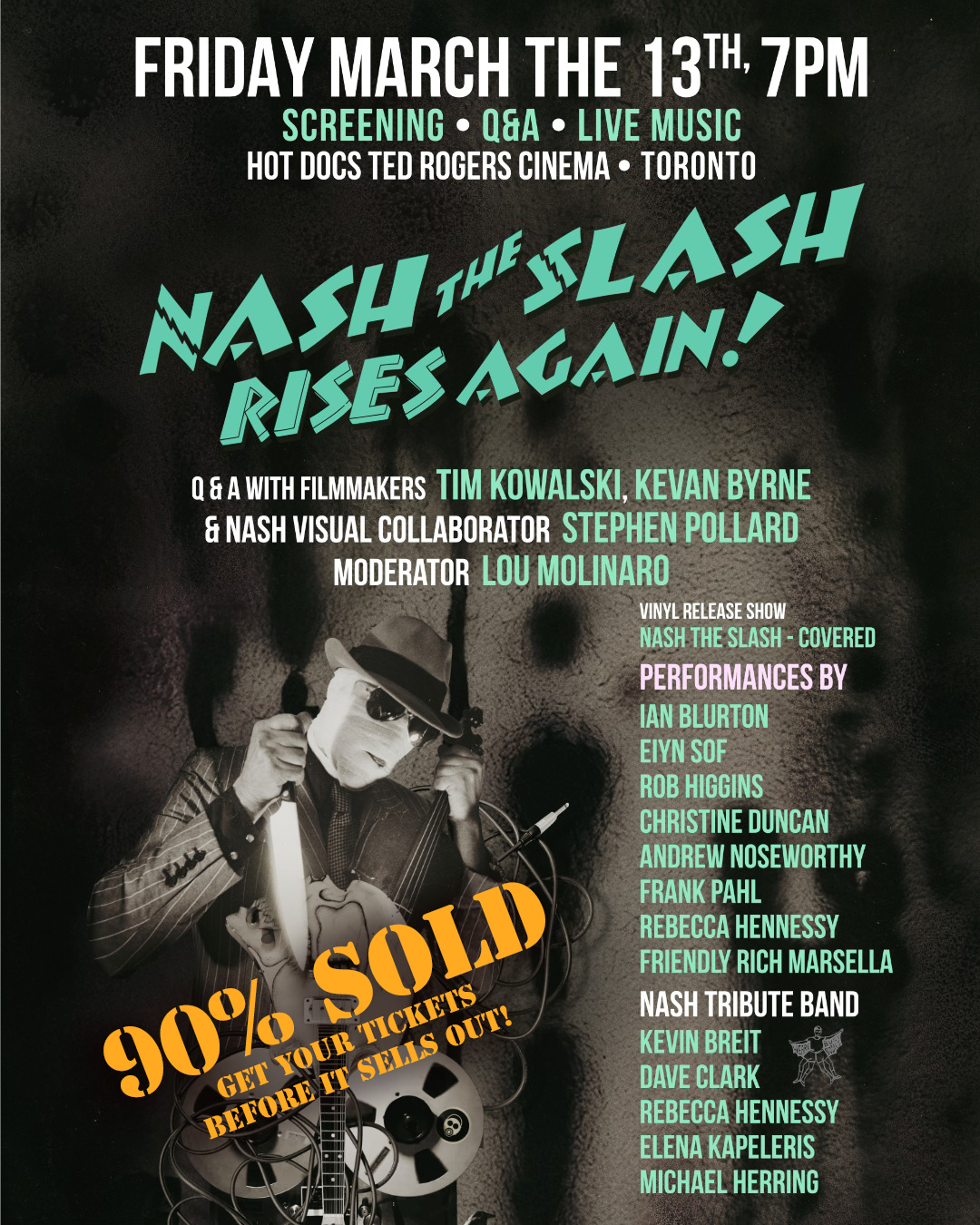
Nash the Slash Rises Again played to a full house at the Ted Rogers Hot Docs Cinema in Toronto on March 13, 2026. After the screening there was a short Question and Answer with Kowalski, Brunton, and Byrne; with Plewman’s bandmate Michael Waite (Breathless); and Nash the Slash’s visual collaborator, Stephen Pollard. Afterwards, senior musicians from the Toronto community played a series of Nash the Slash compositions in a heartfelt tribute concert.
There is another screening of Nash the Slash Rises Again coming up in Toronto on Saturday May 9th at 4 PM at the Ted Rogers Hot Docs Cinema. Get your Tickets.
Tallulah AF is a musician, writer, and performer living in Toronto.
Top photo by Tabercil – Own work, CC BY 3.0